

When I was a teenager, I identified with the term ‘warrior.’ I liked the sense of quiet power the word conveys and I sought the wisdom that often accompanies it. As I moved into adulthood, I lost my warrior. It was replaced with scholar, wife, teacher and other personas. When I met Brock, who very much embodies the idea of warrior, I started to find my own power again.
As is often the case with Brock and I, we have found ourselves exploring the same idea from multiple perspectives. I picked up the audiobook, Way of the Peaceful Warrior: A Book That Changes Lives from the library a few weeks ago. I had read this back in high school, but had completely forgotten about it until I saw it on the library shelf. I’m only a couple chapters in, but I’m finding that this book has a very different impact on me than it did twenty years ago. Then, it was just a book, teaching me about abstractions. Now? I’ve lived it. Life has been my teacher and the book is simply the Cliff Notes.
Brock has been reading The Warrior Ethos. It hasn’t been passed to me yet, so I cannot comment too much. I know that I love the excerpts that he has shared and the conversations it has spurred.
This is what Brock has to say about warriors, inspired by The Warrior Ethos:
“The term warrior is often thought of as applying to an individual who fights, such as a soldier or martial artist. However, I believe we are all warriors of life and to that extent most of us live by some sort of moral code that guides us. We change as we grow and we are always trying to figure out our place in life, whether it be professionally, personally or internally. Your ethos is just that – yours and yours alone. It should speak to your soul and if no one else gets it then that is perfectly okay.”
Here is part of Brock’s warrior ethos:
1) Set the standards by leading by example.
2). Never ask a teammate to do something you have not already done or are not willing to do.
2) The team is more important than any one person within the team.
3) Think of the needs of your teammates prior to your own.
4 ) Let your decisions be guided with just cause, compassion and respect.
5). If you share all you have with your teammate you will be rewarded with a with a wealth of knowledge, skill and most importantly, you will understand what loyalty truly means.
6). Listen more than you talk.
7). Selflessness produces courage because it binds people together and proves to each individual that they are part of a team.
8). Embrace adversity not from the flank but head on with confidence, courage and conviction.
9). Let your life be guided by the light of the sun and the moon and not the empty darkness of nothingness.
10). Courage to me is defined not by the absence of fear but rather having fears and facing them regardless of the danger to oneself.
I look forward to developing my own warrior ethos as I yet again embrace my inner warrior.
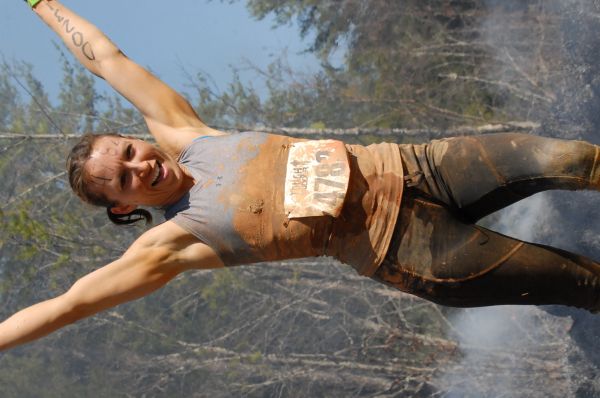
“Whatever you are physically…male or female, strong or weak, ill or healthy–all those things matter less than what your heart contains. If you have the soul of a warrior, you are a warrior. All those other things, they are the glass that contains the lamp, but you are the light inside.”
― Cassandra Clare, Clockwork Angel
“A warrior does not give up what he loves, he finds the love in what he does”
― Dan Millman, Way of the Peaceful Warrior: A Book That Changes Lives
“When one has nothing to lose, one becomes courageous. We are timid only when there is something we can still cling to.”
― Don Juan
“A warrior acknowledges his pain but he doesn’t indulge in it. The mood of the warrior who enters into the unknown is not one of
sadness; on the contrary, he’s joyful because he feels humbled by his great fortune, confident that his spirit is impeccable, and
above all, fully aware of his efficiency. A warrior’s joyfulness comes from having accepted his fate, and from having truthfully
assessed what lies ahead of him.”
― Don Juan Matus
“Even in times of trauma, we try to maintain a sense of normality until we no longer can. That, my friends, is called surviving. Not healing. We never become whole again … we are survivors. Even in times of trauma, we try to maintain a sense of normality until we no longer can. That, my friends, is called surviving. Not healing. We never become whole again … we are survivors. If you are here today… you are a survivor. But those of us who have made it thru hell and are still standing? We bare a different name: warriors.re today… you are a survivor. But those of us who have made it thru hell and are still standing? We bare a different name: warriors.”
― Lori Goodwin


 Lessons From the End of a Marriage