A Woman I Used to Know

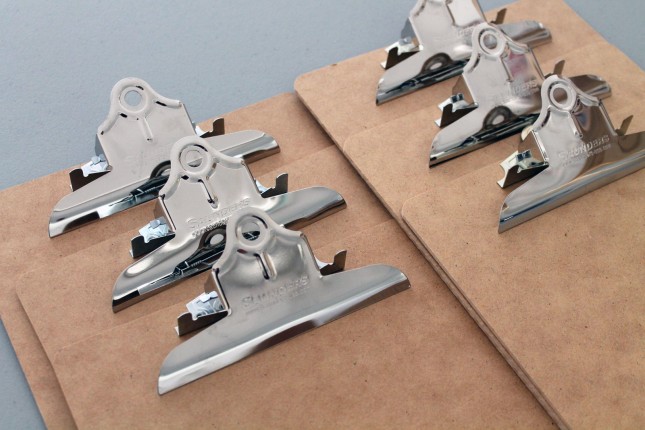
The student pulled a clipboard from the bin.

“Who’s Mrs. —?” he inquired, reading my old married name off the back of the clipboard.

I smiled, “Oh, just a woman I used to know a long time ago.”

Ain’t that the truth.


Many of the items in my classroom are labeled with my old name. When students ask who she is, I’m vague. Most have concluded that she is a retired teacher who gifted many of her classroom items to me.

In a way, they’re right.

She’s certainly retired. Not from teaching, but the old Mrs. — is no longer around. There are those who remember her and tell stories of those days, but they are behind us now.

Mrs. — has been replaced.

No, that’s not quite right.

She’s been transformed.


One of the more difficult aspects of a major life renovation such as divorce is that we struggle to imagine ourselves any way other than we are in that moment. If you asked the old Mrs. — who she was, she would speak of her role as teacher and tutor, she would talk lovingly about her husband, she would tell stories of her dogs and you would be cautioned from getting her on the subject of plants.

In those days when all was washed away, I remember feeling homeless in my soul. I didn’t know who I was anymore. Who I would become. I knew I would never be the same yet I couldn’t imagine anything but what I was.

And that was a scary place to be. Not the old me anymore and yet not the new one either. A limbo of self.

Scary and yet empowering. Because when you’re rebuilding your life and your identity from the ground up, you have the power of choice and the wisdom of experience. And that’s a powerful pair.

And the main choice I made was to be happy. Not happy because of the tsunami divorce. Happy in spite of it.

Everything else was secondary.


And now, here I am. Mrs. again. Dog momma again. About to plant again.

On the surface, much may be the same.

But beneath?

Everything has changed.

Because you can’t go back.

But you can always move on.


The old Mrs.— has retired. And now she’s just a woman I used to know.

And if you happen to see her, please tell her thanks for clipboards.



Displacement

I was enjoying a bath the other day. The hot water filling the tub to the brim, my body submerged except for my hands holding a book and my face peeking out from the suds. I was relaxed. Content.

I heard Tiger begin to dance on the wood floors below as the garage door rumbled open.

That was soon followed by Brock’s voice, “Where’s mama?” he asked Tiger as both man and dog bounded up the steps.

“That looks good,” he said, slipping off his clothes and sliding behind me in the tub. For the next few minutes, we talked about our days  with the sound of the water draining through the overflow in the background. Eventually, the sound of the escaping water stopped as equilibrium was reached once again. The volume of the water replaced with an equal volume of Brock.

We stayed that way for some time, enjoying the company and the warm water.

He exited the tub before me, stepping out while simultaneously grabbing a towel.

The change in the bath was shocking. The water that had once covered my entire body now didn’t even make it around my hips. The once-full bath had been reduced to a few inches of tepid water. Unwilling to end my soak on that note, I turned the faucet on once again, allowing the hot water to fill the void left by Brock’s absence.

We are all aware of the effects of physical displacement in our lives. We are careful not to fill a pot to the brim before adding the potatoes. We know that a full tub will overflow when splashing kids are added. We ask for room in our coffee so that the cream can added without creating a mess. We are not surprised when water levels appear to plummet when objects are removed.

Yet we are often not as aware of the effects of emotional displacement. Of what happens when people are added to or subtracted from our lives.

In the beginning of a relationship, it is like being joined in the tub by another. Other relationships and commitments shift out of the way to allow room for the new company. It can be an uncomfortable change, friendships and activities and habits all vying for attention. Trying to decide what stays and what goes. Figuring out just how much to let the new presence in and how much will have to go to allow it to settle in.

And then, you get comfortable. Your life is full and has reached equilibrium. There may be less of the metaphorical water, but the volume of the relationship makes up the difference.

As long as your partner is there with you, the water level is fine. But as soon as he or she stands up to leave, the loss is shocking. Your body, once buoyant in the support of the water, feels heavy and collapsed on the cold surface beneath. You can stay there, cold and heavy, nerves raw to the whispers of the incoming air.

Or you can turn on the tap, filling your life again with warmth and support. Finding ways to replace the removed volume with new friends and old. Revisiting former passions and finding new ones. Enjoying the buoyancy that comes from a full life.

The tub may still feel empty, but at least you’re not needlessly suffering. Bonus points if you add a rubber ducky:)

After Divorce: From Surviving to Thriving

Days after my tsunami divorce, my mom turned to me and told me I would survive.

I actually got angry and responded rather strongly, “No, I will not survive. I will thrive. To do anything less is to remain his victim.”

I saw surviving as the bare minimum, the mere intake of breath and food in order to go through the motions of life. I refused to settle for that. I wanted more. It felt insurmountable, yet the vision and hope remained intact.

Inspired by Maslow’s Hierarchy of Needs, these goals can serve to help you navigate the challenging path after divorce and take you from merely surviving to thriving.

Survive

The first tier of goals are about your literal survival. In the beginning, it is enough to simply focus on your next breath. And then the one after that. The goal is to keep you alive and functioning. These physical needs must be addressed first before any further progress can be made. Read the rest here to learn how to go from merely surviving to beautifully thriving!

The Upside of Betrayal

betrayal

No one needs to tell you that betrayal sucks. It’s a piercing pain formed from grief, anger and confusion. It steals your ability to trust, both in yourself and others. It calls everything into question and provides no easy answers.

There is no refuting the fact that betrayal is horrific. Only the sadistic would choose to go there and most that stumble into its path want nothing more than to be free of its grasp.

But turn that betrayal over, look to see what lies underneath.

There are some upsides to betrayal.

In the beginning, these assets are hidden behind the overwhelming pain. But they are still there, just waiting to be found as the mud and grime of the betrayal is washed away by time and tears. Some of these blessings are more easily harvested than others. See what you can find underneath your suffering.

Empathy

When we are not experiencing pain ourselves, it can be difficult to empathize with those who are within its grasp. Betrayal is lingering pain, not easily forgotten. As a result, you may find that you are more understanding and gentle with those around you who are suffering. You can use that ability as a gift – help those that are in pain and your pain will recede.

Self-Reliance

Before the betrayal, you probably saw you and your partner as a team and you looked to him or her to take care of certain things. There is nothing wrong with a team approach, but a long relationship can slide into over-dependence. When you are betrayed, your trust in others is shattered, so you turn to yourself. You may be surprised at what you’re capable of when the “I can’ts” are replaced with the “I have tos.”

Responsibility

This pairs with self-reliance. When you have been betrayed, the first instinct is often to lash out at your partner, laying all of the blame at his or her feet. If you’re honest with yourself, after that initial anger is bled, you will also shine the light inwards. Not to blame, but to understand and take responsibility. You realize that you can never control another’s actions but that you can always control your response. You learn that you are ultimately responsible for your own happiness and well-being. It can feel like a great burden at first. But then you realize the freedom. You always have a choice.

Clarity

If your partner resorted to gaslighting, story telling designed to make you feel crazy for questioning signs, the realization of betrayal can almost come as a relief. The “off” feeling or constant self-doubting is put to an end as the truth is finally revealed. Even with gaslighting, there a lucidity to be found. Often the betrayed have been unable to see the truth, turning towards some facts and away from others. The revelation of betrayal is like putting the last piece in a puzzle; the bigger picture is revealed.

Connection

Some find that betrayal ultimately strengthens their marriage, the pain leading to more open and honest communication. Betrayal deals a death blow to other relationships, one or both partners unwilling or unable to address the underlying issues. Regardless of the specifics, the betrayed often form deeper and more meaningful connections with someone in their lives. The time after betrayal is characterized by a loss of trust but also an increase in vulnerability. If someone can gain or hold your trust (a friend, a family member, or even your partner), you are unencumbered by many of the defenses that keep people at arm’s length. Those connections that are formed are priceless and can help you learn to trust again.

Confidence

This is one of those deeply hidden gifts. At first, your confidence will most likely take a huge blow. You wonder what is so ugly or deficient about you that your partner chose another. You question yourself endlessly, berating yourself for being a trusting fool. Stop that insulting dialog for a moment. Think about your strengths. Your aptitudes. Think about how you are a survivor and you are making it through. Think about it and believe it. You CAN do this. You CAN move forward. You CAN trust again. You CAN love again. Think about it and believe it.

Acceptance

This is the ultimate upside. You cannot change the past. You cannot change your partner. You can cease the winless struggle of trying to make things not as they are. That’s your starting point. And where it leads is up to you.

Will I Ever Trust Again?

trust betrayal

“Will I ever trust again?” I asked, turning towards my dad in the aftermath of the day the marriage died.

My voice trembled along with the rest of my body, a pleading tone hoping for a positive response.

His eyes teared, he pulled me in for a hug. “I don’t know but I sure hope so.”

It wasn’t the response I wanted, but it was honest. And honest was what I needed.

Over the next weeks and months, I asked that question of my mom, my family, my friends, my journal.

And every response was the same.

“I don’t know.”

How do you recover from betrayal by the person closest to you? How do you move forward without armor so thick that no one will ever make it through? How do you ever put faith in another person after doing so destroyed your world and you in the process?

How do you learn to trust again?

You begin with yourself.

Intimate betrayal is an attack on two fronts. The first wound comes from the one who betrayed you, the piercing pain when you realize that he or she was sliding the blade into your back with every embrace. The second comes from within, as you begin to doubt yourself, your worth and your senses.

And you have to heal them both.

Before you can ever trust another, you have to learn to trust in yourself.

And that begins with trusting your strength to see you through.

If you believe that you are not strong enough to survive something, you will turn away from any indications that speak of impending disaster. The only way you will be receptive to reality is if you know you can handle it. Remember times that you have revealed your strengths. Celebrate those. Create smaller challenges in your life and master them. Write your story and cast yourself as strong and brave. Don’t let your betrayer create your character; you have the power to mold yourself in an image of fortitude and perseverance. Learn to see yourself as a survivor and thriver rather than a victim. You are the phoenix, not the ashes.

You are strong.

You can make it through anything.

Believe it. And it’s true.

And, once you know that you can survive, you’re ready to learn to listen, to see. Not with the fears of the past or the worries of the future, but with the truth of today.

Check in with your gut. If your intuition speaks, listen. Remember, there is nothing it can say that you cannot handle. Be present in your life, check words against actions. Trust that you will be okay even if someone’s actions indicate a problem. When learning to trust another, move slowly, letting out a little rope each time. Watch to see if they hang themselves but also be careful not to do it for them. If you act as though the past is on repeat, it will be replayed. See with the eyes of now, not the pain of yesterday. Sift through your past to find patterns, both in your betrayer and yourself. Learn how to change your responses to interrupt the playbook of the past.

Will you be able to trust again?

Yes.

But it can’t be blind trust, operating on wish alone.

It’s a trust born from strength and intention.

It comes from being present and truthful.

It hopes for the best but does not fear the worst.

It understands that you cannot control another but you can always depend on yourself.

You are strong.

You can be trusted.

Believe in yourself.