Nourishment

In my former life, I viewed eating as a purely functional act.  I was not concerned with the quality of food that entered my mouth, as long as it contained the proper macronutrients at the proper time. For almost ten years, my lunch consisted of a premixed protein shake because it was high in protein, low in calories, and could be sucked down in 15 minutes while I tutored struggling students in the school cafeteria.  For ten years, I was content with that lunch.

Then something changed.  I realized that not only did I not look forward to lunch, but that I had even begun to dread it.  The shakes met my nourishment in the most basic sense, but that was all.  At this point, I had already begun to visit my kitchen for more than a chat with the microwave, so I decided to restructure my lunches to incorporate what I was learning in the kitchen.

I had to start with the practical: my hours as a teacher are long and my lunch times are short.  I needed to be able to find foods that could be cooked and prepped on Sunday and reheated quickly at school. I started by collecting recipes and cookbooks (about the only kind of book that didn’t fill the shelves in my old life).  I found I enjoyed seeking out ideas and combinations, always seeking to maximize my veggie intake and ensure that I would get substantial protein and fiber with each meal.  I learned that raw veggies have to be limited; there simply is not enough time to eat them all.  Likewise, finger foods are a no-go in the germ laden land of a middle school.  Even with those limitations, the options seemed endless.

An amazing metamorphosis occurs in my fridge every weekend.  Mounds of greens and veggies are chopped and cooked into submission and divided into color-coded containers ready for the week ahead. The house fills with the aromas of a variety of spices, as the sounds of the food processor echo through the house.  The island is the scene of assembly line style food preparation.

The consequences of the change in my lunch menu were astounding.  My health improved; I no longer caught every cold that came through the school.  My attitude improved, as I had a lunch I looked forward to (this is especially a motivator on Monday mornings).  My afternoon workouts improved, now that I had enough fuel in my system to support the training.  I became a de facto educator about plant-based diets as teachers and students began to inquire about my lunch.

But, most of all, I found nourishment.  For my body.  And for my soul.

I send the message to myself every weekend that I am worth the effort. That I matter. That feeding my needs is just as important as feeding the needs of those around me.

I kept the menu for this week simple; it is a short week and I don’t want to dedicate much of my time off to cook.  I decided to make Hottie Black-Eyed Peas & Greens from Appetite for Reduction, one of my go-to cookbooks for healthy, easy, vegetarian meals. I always try to incorporate fruits and veggies of different colors in every meal, so I’m adding sweet potatoes mashed with almond milk and vanilla rice protein along with some blackberries, since they were on sale;)

Here’s the food ready to cook.

And here, after 45 minutes of preparation (barring the work the ol’ trusty slow cooker did overnight on the beans), is the final product.

I’m waiting to pack the blackberries until Wednesday morning, so that is why they are absent.  Now, I can enjoy the rest of my time off knowing that I have healthy, nourishing food to get me through the week.
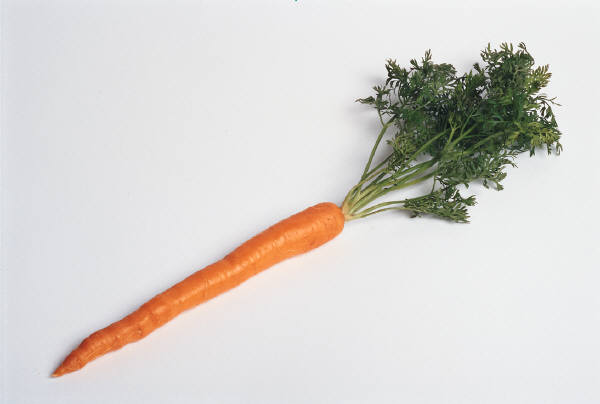
Carrot Cake Greek Yogurt

I’m in the process of writing a book of green smoothie recipes. This means my belly has been sloshing over the past few weeks as I test and retest various recipes and the fridge is always full of mass quantities of spinach and kale.

The cold front that pushed through this afternoon convinced me to take a break from the smoothies tonight. However, I still wanted something sweet after my bowl of soup and the house is empty of my usual choices. As so often happens, the lack of a clear option led to innovation. The impulse concoction was good enough that I thought I would share it.

I threw the following in the Vitamix (a food processor would work as well):

1 cup baby carrots

1 cup plain nonfat Greek yogurt

1/2 tsp vanilla

1 tsp pumpkin pie seasoning

2 tbsp ground flax seed

1/4 cup oats (I used gluten free)

2 tbsp Splenda brown sugar blend (other sweeteners would work too)

Sorry there’s no photo – it disappeared too quickly! 🙂

intersection cover COMING SOON


On the Menu: Pot of Veggies at the End of the Rainbow

It’s been quite some time since I’ve done one of these posts. This whole fall has been a whirlwind of activity between The Jeff Probst Show and other spin-offs from the book, activities with friends, and marathon training. This weekend has been a chance to catch my breath before the next round of craziness begins next weekend.

It’s funny – I never used to cook much. But now that I’m used to it, I’ve missed the extended time in the kitchen on Sunday trying out new (or at least not tried and true) recipes. I’ve been cooking my lunches the last several weeks (I have to, or I don’t eat) but I have been relying on quick and simple dishes. Today I passed on my usual yoga class to give myself the gift of time in the kitchen.

My sweet potato, oat, and protein powder concoction that fueled my marathon.

I am still on my sweet potato ban after marathon training. Don’t get me wrong, those little suckers are a perfect (and cheap!) carb source for gluten free endurance athletes but they do get old after a couple months of daily consumption. Besides, I’m ready to go back to my normal, lower carb diet. I definitely feel stronger and leaner when I limit the carbs a bit more.


I started off early this morning prepping for one of my favorite winter soups: Eat the Rainbow Black Bean Soup from Fat Free Vegan. This soup literally swallows veggies. It is so filling and hearty despite being low calorie.

These are just some of the veggies that go into this soup. When I kept chopping, I swear my slow cooker looked at me incredulously.


I decided to add some tofu this time to up the protein factor a bit more.

I’m hoping the vegetable content of this soup alone will scare off any rhinovirus that happen to be lurking around. I like to pretend that the common cold is uncommonly afraid of spinach.

The soup about halfway through its five hours in the slow cooker…yum!


Since I had the time this weekend, I ventured to Trader Joe’s – one of my favorite places to get groceries that unfortunately is an extra 20 minutes out of my way. I squealed in delight when I saw that they had in their seasonal shipment of brussels sprouts on the stalk. Yes, I got some strange looks. They are more labor intensive to prepare when they are sold this way but they are much cheaper and way cooler.

I just love the alien look of sprouts on the stalk!

I decided to keep it simple. After de-stalking (reminds me of defrocking and makes me giggle!) the little cabbages, I cut them in half and tossed them with balsamic, olive oil, garlic powder, and salt and pepper. I then roasted them at 400 degrees for just over 20 minutes until the leaves were perfectly crispy-black.


I have to admit. I have a strange addiction to these things. As I was attempting to pack them into five containers for my lunch, I kept sneaking bites. I ended up eating almost 1/2 pound of sprouts. Between those and my usual kale and spinach breakfast smoothie, I had more cruciferous veggies before 10:00 a.m. than most people probably eat in a week!

Here’s my addiction – roasted brussels sprouts. I love the sweet and salty crunch of the blackened leaves.

What’s for dessert, you ask? I usually just have an apple or some (gack!) sweet potato, but I decided to make something a bit more special this week. I like to that especially around the holidays as it keeps me from feeling deprived around all of the sweets that invade the school.

I decided to make the Grain-Free Carrot Cake from Ask Georgie. It. Is. Amazing. Stupendous. Unbelievable. Not only will I not feel deprived this week, but I bet others will be envious of my sweets!

Gluten and grain free carrot cake. Nuff said.


The craziness of the last few weeks has been wonderful and exciting but it feels amazing to be home and enjoying the restorative simplicity of preparing food that nourishes my body.

And now for some not-so-healthy veggie nachos and some NFL. Go Ravens and Falcons! Let those birds fly:)

Right This Moment

Since last April, my daily breakfast has consisted of a green smoothie: 1/2 a banana, frozen mixed berries, protein powder, cinnamon, vanilla, kale, spinach, almond butter, and almond milk. Prior to last spring, I consumed my pumpkin oatmeal every day for almost 5 years: oatmeal, pumpkin, blueberries, flax seed, protein powder, almond milk, and walnuts. I’ve loved the switch to the smoothie. It still fills me up until lunch and it helps me increase my consumption of leafy greens without the time commitment needed for endless salads. I’ve loved the smoothies. Until today.

Georgia welcomed its first real cold front of the season last night. I awoke to a cold house, the wind blowing through the cracks in the windows and reaching up through the floors to wrap itself around my ankles. I poured myself out of bed, wrapped my body in layers of rediscovered winter clothes, and went to make the coffee. While I was enjoying my coffee, I realized I was dreading my breakfast. Dread or not, I made my smoothie and drank it down, which led to a subsequent drop in my core temperature with accompanying shivers. I usually meditate after breakfast, but this morning that was replaced with a mad dash to a hot shower.

Those smoothies, in all their green-powered awesomeness, are perfect in the warmer months. But, perhaps, I need to recognize that just because something was right for me yesterday, does not necessarily mean that it is right for me today. I suppose I will need to revert to my pumpkin concoction for the next few months or invent a new breakfast. Spinach oatmeal, anyone?

7 Life Lessons From the Trees

English: A scenic photo taken near Madison, Wi...
English: A scenic photo taken near Madison, Wisconsin of a red pine (Pinus resinosa). (Photo credit: Wikipedia)

I learned how to garden before I ever learned how to cultivate my own life. My introduction to gardening came with the planting of a single bald cypress sapling, its spindly form centered in an enormous mound of amended soil encircled by a protective fence.  Over the years, I perfected my techniques until I knew exactly what to do to grow a healthy and beautiful tree. Those years spent with my hands in the soil taught me many lessons that I now apply to the rest of my life.


Digging In

With my first tree, I had not yet found the balance between effort and effect. My three-foot sapling sat in a hole that required moving what felt like a metric ton of dense Georgia red clay. That amount of effort was not sustainable for the dozens of other trees that were eventually planted. I learned to dig wide, avoid the roots, and focus on loosening rather than removing the soil. This method still made the trees happy yet did not cause me misery in the process. Outside the garden, life should be a balance between effort and ease. Do not be afraid to work hard but do not work harder than necessary.


Amending the Soil

The existing soil in my one-acre plot was inhospitable to sensitive roots; its clay base would not allow air to circulate and would suffocate the life out of young trees if it was left to its own devices. However, if I amended the soil too much, the roots would never learn how to survive in the more difficult terrain once they outgrew their initial hole. I had to find the right balance between hard clay and soft soil to provide a safe environment for the saplings that would still allow them to venture out into the harsher world. Be aware of much you amend your own surroundings in your life. It’s good to be comfortable but be careful that you are not so snug that you cannot grow and expand beyond your current boundaries.


English: A picture of compost soil
English: A picture of compost soil (Photo credit: Wikipedia)

Support Only When Needed

I have to chuckle when I see young trees corseted up in bindings and stakes like a character in Fifty Shades of Grey. This support certainly prevents the immature roots from pulling out of the soil or the narrow trunk from snapping in the wind, but it also keeps the tree weak. A tree that has never had to face the buffeting wind or driving rains unprotected will not learn how to become strong in the face of adversity. I let my trees fend for themselves in all but the harshest storms, where I would run out into the yard and throw heavy bags around their bases to act as temporary anchors. Support is wonderful when it is needed but it should only be used as much as it is necessary. It’s important to be able to accept help when you need it but also recognize when you can do it on your own. Once your roots are established, it’s time to let your trunk grow strong.


Use Natural Fertilizer

With my first tree, I fell sway to the advertising. I surrounded my tree with granules and mixed fertilizers into the water in the hopes of helping my tree grow faster and become healthier. The tree showed no response, but my wallet sure did.  Once I switched to natural compost, the trees and my wallet thrived. I look at most fertilizers like processed foods – you pay a premium for a product when the natural form is often cheaper and better. In fertilizer as with food, there is often an inverse relationship between advertising dollars and the healthfulness of a product. Nourish your body with natural foods and allow them to fertilize your health and vitality. Your vibrant body can then become the advertising.


Water Deeply

I made the classic beginner’s mistake – I watered my new plantings frequently, but briefly, scattering drops of water that never fully penetrated the surface of the soil. Although the trees appeared to be sitting in moist soil, the needed water never made it to their parched roots. I learned that the best way to water the roots is to leave the hose dripping near the trunk for hours. Proper watering cannot be rushed. I am sometimes guilty of shallow watering in life as well. I may find myself in a yoga class but my mind is elsewhere. I might be at a romantic dinner while my brain is planning for work. Or, in my biggest struggle, I rush through meditation without allowing the peace to soak in. In your life, fully commit to what you choose to do so that you can gain the full benefits.


Let the Light In

Pruning hurts. I was scared to make those first cuts, very aware that they were permanent. I was afraid I would ruin my tree, afraid that it would never be the same. The fear was unfounded. Although the tree looked alien at first, its white scars advertising the new cuts, I soon grew used to its new appearance. The removal of some of the unneeded branches allowed light to permeate the canopy which before had cast darkness on all around it. New plants were able to dance in the sun that now filtered through the tree. I faced the most painful pruning of all in life – the removal of a husband. Like with my trees, it took time to adapt and adjust to the new reality, but now there is light beneath the canopy. Sometimes we have to prune back some branches in our lives to let the sun in.


Plant Companions

My first tree was a loner for a season, standing tall in a sea of grass. Over the next few years, I planted companions, shrubs and perennials that kept the sapling company and enhanced its beauty. A wonderful symbiosis began to occur; the tree provided needed shelter from the hot Georgia sun and the companions held in the moisture around the base of the tree. In your life, choose companions that enhance your beauty and find ways to improve their lives as well. An abundant life is always more glorious than a single tree standing alone.

Alaska forest - trees
Alaska forest – trees (Photo credit: blmiers2)