
52 Things to Do When You’re Feeling Lonely

lonely

Feeling lonely sucks. The sense of being disconnected and unseen can pull us down as certainly as a lead weight affixed to our ankles. Loneliness isn’t always apparent to others. The person who lives and works alone may feel perfectly fulfilled while the married mother of three may be struggling with feelings of isolation.

That’s because loneliness is often more about what is happening in your head than what is happening in your life. And it’s SO easy to fall into decisions and actions (or often inactions) that feed the loneliness. If you’re feeling lonely, what you’re doing isn’t working. So, why not try one (or more!) of these ideas instead?

Some are big, some are small. Some can be done with no planning and no money, others take a larger investment. Some are geared towards extroverts, whereas others will appeal to the more introverted among us. Some appeal to the athletic and others will speak to the artistic. Regardless of the specifics, these are all designed to encourage out of your comfort zone (which is really more about habit than comfort, isn’t it?) and help you create a sense of connection and belonging.

Look through and pick what you think may work for you. And then put it into action. After all, you never know unless you try.

1 – Snuggle with a pet. Their unconditional love and unending acceptance is always a wonderful reminder of the connection you have with other living creatures. Furthermore, if your confidence is currently low, you can find comfort in the lack of judgment of animals. If you don’t have a pet, consider volunteering (or even just visiting) a shelter. I just learned about this unbelievable amazing one near me.

2 – Get into nature. It’s strange, sitting alone on your small sofa can feel more isolating than being alone on an extensive trail. Something about the magnitude and ever-changing beauty of nature makes us feel small and yet makes that diminutive stature matter less. Additionally, loneliness is compounded within our own heads. When we get outside, our minds often follow.

tit-2991507__480

3 – Go somewhere where there are other people. Make a connection, even if it’s just a shared smile or a “good evening.” Build a small collection of places – coffee shops, bookstores, arcades, salons, batting cages, etc. – where you enjoy the atmosphere and the activity. When you’re feeling alone, let those become your “Cheers.”

4 – Engage your creativity. Part of loneliness is feeling like you don’t matter. When you create something, you are tapping into and releasing your inner self, bringing something new into the world. If you don’t already have a preferred creative medium, experiment. We may not all be accomplished painters, but we all can find a way to express ourselves.


(function (v,i) {
var scp = v.createElement(“script”),
config = {
ChannelID: ’59c4d02d28a06117d405b228′,
AdUnitType: ‘2’,
PublisherID: ‘254863889856617’,
PlacementID: ‘pltcqFJsrTEyaQkNyOJ’,
DivID: ”,
IAB_Category: ‘IAB7-18’,
Keywords: ”,
Language: ‘en-us’,
BG_Color: ”,
Text_Color: ”,
Font: ”,
FontSize: ”,
};
scp.src=’https://s.vi-serve.com/tagLoader.js’;
scp.type = “text/javascript”;
scp.onload = function() {
i[btoa(‘video intelligence start’)].init(config);
};
(v.getElementsByTagName(‘head’)[0] || v.documentElement.appendChild(v.createElement(‘head’))).appendChild(scp);
})(document, window);


5 – Limit your social media time. It’s easy to get sucked in, thinking that you’re nurturing with connections with others, yet studies show that watching the highlight reel of other’s lives from afar actually leaves you feeling more isolated and left out. Also pay attention to what platforms make you feel worse and which ones leave you feeling lifted. Each app has its own flavor and it’s important to find the ones that work best for you.

6 – Break a sweat. When you’re idle, you are providing plenty of space for loneliness to climb up on your lap and settle in. So brush it off and get moving. Go for a walk around the block. Sign up for a yoga class or finally commit to trying that new kick-boxing gym down the street. Even something as simple as a few push ups and body weight squats in the privacy of your own home will shake off the weight of lethargy.

cycling-655565__480

7 – Call or write your grandmother or a grandmother-like figure in your life. Their world-wisdom and low tolerance for inane platitudes can be refreshing and they may even contour up some feel-good memories from childhood. If your grandmother is no longer living, consider visiting a senior living facility nearby and spending time with the residents that don’t have visiting family.

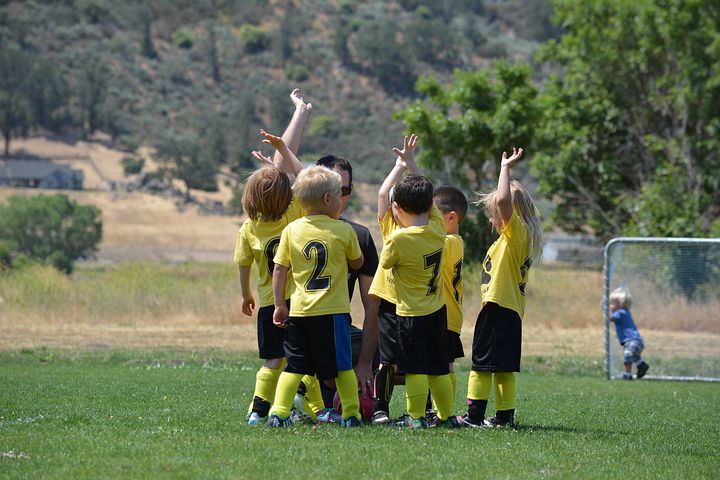
8 – Join something with a shared goal. It doesn’t matter if its the local chapter of your Toastmaster’s club, supporting somebody running for office, or the local running group. Sign up (and commit!) to an activity where everybody in the group is working towards a similar objective. Even if you never reach friendship status with any of the others, you will gain a sense of belonging.
team-2444978__480

9 – Pick up a work of fiction. When you’re struggling in your current world, sometimes a temporary escape to a fictional one can be just the respite you need. Find a book (or even better, a series of books) that excite you and envelope you. In addition to the brief evasion of reality, studies have demonstrated that reading fiction helps to develop emotional intelligence. And that may just give you the tools you need to address your loneliness in long term.

10 – Change your labels. If you consistently tell yourself that you’re lonely or isolated or unloved, you’ll start to believe it. Instead of those negative labels, try assigning more positive versions: independent, solo, autonomous, self-reliant. It’s amazing how much the perspective about a situation can change with a turn of phrase and it’s amazing how much the emotion associated with a situation changes with perspective. Go get ’em, maverick!

11 – Go to church. Churches are ready-made communities that are usually ready to welcome newcomers with open arms. It may take a little trial and error to find the congregation that resonates you and you may get a better feel for the culture from a smaller group gathering rather than the primary service. If you’re not particularly religious, consider a non-denominational congregation, a Unitarian church or even some of the more secular-focused groups of a traditional place of worship.

12 – Join Nextdoor. This app is limited to people in your immediate area. It is a paired-down social media site that tends towards the wayward dogs and the garage sales. Despite its limited content, in an era when we often don’t know our next door neighbor’s name, this app gives you a way to get to know and communicate with your local neighbors. You can also use it to see if anyone in your area is interested in starting a walking group, a gardening club or a beautification committee.

13 – Invite an acquaintance for coffee. It’s challenging to initiate and grow new friendships in adulthood. In childhood, friendships simply seem to happen simply through proximity. As we grow, building relationships takes a more concerted effort. So take that first step and invite someone in the periphery of your life out for a cup of coffee. At the least, you have a companion for an hour. At most, you have the beginning of a new friendship.

people-2559723__480

14 – Volunteer. This is one of those activities that gives amazing dividends on the energy invested. When you offer your services to help others, you often benefit as much as the recipients. Not only does it feel good to help, but it also helps to provide perspective, cultivate gratitude and assists in getting you out of your own head and current situation. With the myriad options available, you can find an opportunity that finds your time and temperament.

15 – Start a blog. Unlike the rapid-scroll and click bate realm of many social media sites, blogging communities have a greater tendency to be, well…communities. Especially if you blog about some niche interest or experience, you very well might find yourself some online companionship. One caveat with blogging – you will encounter some jerks. Remember that what they write says more about them than you. Don’t take it personally, block them from further commentary, and enjoy those that know how to play nicely.

16 – Spend time in your front yard every evening. It’s so easy to go to work, pull into your garage and spend the remainder of the evening in your home. And if you live alone (or live with others who make you feel as though you’re alone), you are literally walling yourself off from human contact. Instead, commit to spending a set amount of time on your front porch (or apartment balcony) each evening when others in the community are active. Bring something to keep you occupied, but make sure that it is something that is interruptible. When neighbors walk by, smile and say “hello.” In time, conversations may happen and relationships may form. Yet even if they don’t, the fresh air and the brief connection with others can go a long way.

lemur-2861922__480

17 – Go to a restaurant and eat at the bar. It can feel strange and awkward for some people to dine solo (or with someone that makes you feel alone), especially when the establishment is full of seemingly engaged couples and groups. Consider sitting at the bar. It’s less uncomfortable than occupying one chair at a table and you will often have other solo diners around you. Furthermore, the layout makes it relatively easy to join in on banter between other customers or with the staff.

18 – Be honest with people. Be careful about uttering the knee-jerk response of, “I’m fine.” Because people will often take you at your word and if you’re not fine, you’ll end up suffering in silence. Most people want to be helpful, but they can’t help if they don’t know. Asking for help isn’t weakness; it’s a sign of immense courage.

19 – Check out MeetUp.comDo you want to learn how to make homemade pasta? Are you looking for a rollerblade group in town? Do you want to find a book club that only discusses dystopian fiction? You’ve come to the right place. If you’re in a decent-sized city, MeetUp has every possible activity and every potential type of group. It’s a great option when you want to meet people but you’re not interested in dating or the trepidation of making the first move of a new potential friendship. If you’re nervous, take heart that many of the participants are also in your shoes.

20 – Go shopping. But not for you. On it’s own, shopping can actually increase feelings of depression and loneliness. However, if you are engaged in the hunt of finding treasures for somebody else, it actually improves your well-being beyond the time in the store. If you’re at a loss of who to shop for, contact a local women’s shelter, school, or community center and ask them for ideas.

dog-2617516__480

21 – Get a part-time job. If your day job doesn’t provide you with much contact with others (or if your day job involves running around after toddlers), evaluate the idea of taking on a part-time job. This one is less about the money than about the connections, so think about what would give you the contact you want. If you prefer to see the same people at regular intervals, consider a front desk position at a small gym or salon. If you’re more fast-paced and into one-and-done connections, think about a shift at a restaurant or as a checker. When you look into your options, also pay attention to your potential coworkers and strive to find a culture that you can integrate within.

22 – Throw a party. I know, it’s scary when you’re feeling alone. After all, what if nobody shows up? But what if they do? Keep it low-key, focused on some theme or event or activity (or even another person) and don’t allow your exceptions to ascend too high or plummet too low. If you’re uncomfortable with people in your home, consider hosting in some other location. Ask, and you’ll soon be receiving guests.

23 – Sign up for a group travel adventure. These groups are like ready-made sister-and/or-brotherhoods on a quest for adventure. You may all start out as strangers, but as you commiserate over the paltry breakfast one day and exclaim over the views the next, bonds will begin to form over the shared experiences. And even once you’re back at home, you’ll maintain the memories, if not the relationships.

adventure-1839147__480

24 – Start a home improvement project. Fixing up your space serves two purposes – it gives you a project to throw yourself into and it helps to create an environment that you find welcoming and supportive. And I promise you, if nothing else, you’ll get to know the employees at your local hardware store.

25 – Join a cause or participate in a social movement. There is no shortage of groups that promote, support and organize around some sort of cause or mission. Take a moment and brainstorm what beliefs you’re passionate about and then investigate local or virtual groups that are working towards that end. Smaller groups or smaller niches within larger organizations will provide more opportunities for regular and consistent connection with the same people.

26 – Smile and make eye contact with the people you encounter throughout the day. Most people want to make connections yet we often go through our public lives with our heads lowered, our faces lowered into our phones or our minds elsewhere. Make a conscious effort to make eye contact and acknowledge others through a quick nod or a smile. It will feel strange at first and some people may be surprised to have a stranger concede their existence. It’s okay. It gets easier and those smiles you receive in return will be proof that you’re establishing a fleeting link with another.

lion-cub-2818957__480


Continue to read 26 MORE things to do when you’re feeling lonely.

 

5 Tips For Managing Your Pre-Divorce Anxiety

You’ve made the decision to divorce.

Maybe you’re ready for it to be over after months or years of trying to make it work, looking forward to closing this chapter so you can begin the next.

Perhaps you’ve accepted that this is your best – or only – course of action and you just want to get it done so that you don’t have to carry it at the front of your mind any longer.

Or possibly this divorce is unwanted, and the time spent waiting for it to be finalized is prolonging the agony.


Regardless of your situation, the months or years of legal limbo between the decision to divorce and the final paperwork can be a difficult time to manage. Over at DivorceForce, here are five ways to make this period a little easier.

15 Ways Fear Hides in Plain Sight

fear

It’s one of the few times my mom ever screamed at me. Because of that, the memory is seared into my mind.

I was six years old and ecstatic to visit the “Happiest Place on Earth” for the first time. We were standing at one of the monorail stations, waiting to board the next high-speed train. Curious about the way the unique system functioned, I darted off through the crowd to peer down into the track.

My mom’s angry shriek brought me back from the edge.

But it wasn’t really anger she was expressing, was it?

It was fear.

Fear is a strange emotion. Sometimes it’s easily visible – the shaking hands, the trembling voice, the widened eyes. It can be expressed as worry or anxiety. Or marked with the words, “I’m scared” or “I’m nervous.”

But even more frequently, fear masquerades as something else, especially in people who have been taught that it’s “weak” to show fear or, like with watching your child about to be hit by a train, the fear completely overrides the system. Additionally, fear is not a pleasant emotion and we often allow it to morph into other forms in an attempt to distance ourselves from the discomfort.

So the fear manifests as anger or control or dependency. And if we can learn to recognize – and respond to – the fear behind the mask, we can improve the communication and the interaction.

The following are fifteen common ways that fear hides in plain sight:

1 – Anger

“You’re never going to see the sun again!” the mom angrily threatens when her teenager shows up three hours after curfew. “You’re grounded for the rest of your life!” The parent certainly comes across as furious, with their reddened face and raised voice. But their slight tremble reveals the true emotion – fear that their child wasn’t returning home at all.

2 – Rejection

“I’ve realized I always seem to break up with guys right when we’re getting close,” my friend revealed to me one day. To the men, this behavior read as surprise rejection. Upon further consideration, my friend determined that she ended things out of a fear of growing closer and getting hurt.

3 – Isolation

I am fascinated with the people on the show Life Below Zero, especially Sue, who lives in an extremely isolated camp near the arctic circle. She never reveals much of life story, but her drive to be alone speaks to a deep-seated fear of being close to people.

4 – Irritability

“Why isn’t he picking up his phone,” I grumbled to myself, feeling my annoyance build. On the surface, my irritation stemmed from not having an immediate answer to my benign question. But beneath that impatience was a burgeoning fear that the call went unanswered due to some tragic accident.

5 – Stubbornness

Teaching me to ride a bike was a true exercise in my patience for my parents. Even though I was physically capable of mastering the technique by the age of 7 or so, it took an additional 3 years (and plenty of banana split bribes) for me to lose the training wheels for good. On the outside, I exhibited stubbornness, a resistance to practicing or to removing the supports. On the inside, I was afraid of falling.

6 – Control

Upon hearing about her daughter’s plans to marry before obtaining a college degree, a mother begins to try to dissuade the daughter and the intended husband through manipulation. It comes across as controlling, yet it stems from the mother’s fear that her daughter will not be able to look after herself.

7 – Meanness

The new girl showed up at my school in the middle of eighth grade. She was tall, blond, beautiful and had the best style any of us had ever seen. As the boys tripped over themselves in an attempt to get to know her, the popular girls began immediately to slander her reputation and make her life miserable. This “mean girl” routine was performed out of fear, the popular girls afraid that this interloper would steal their top spot and move them down the (very important in middle school) social ladder.

8 – Delusion

“I won the computer in a raffle at that networking thing I went to today,” explained my then-husband as he placed the new MacBook Pro on the kitchen island. The claim didn’t resonate as true, yet I still accepted his alibi. Because seeing the truth – that my husband was capable of extreme deceit, was too scary to face.

9 – Clowning

I had one student that would become disruptive towards the end of every unit of study. He would interrupt, annoy other students and basically treat the classroom like his own personal stage. Once I became aware of the cyclical nature of the behavior, it became apparent that the clowning was an attempt for him to manage his anxiety about not being prepared for the upcoming assessment.

10 – Distraction

I stood in line for the extreme roller coaster that advertised the steepest drop in the country. As people approached the start of the line, where the view of the first plummet jutted out at a sickening angle, they began to pull their phones out of their pockets and turn their attentions to something less frightening.

11 – Overly Cautious

“I don’t want to get a driver’s license,” the seventeen-year-old revealed to me. I don’t want that responsibility. The former student was one of the more mature ones that I have taught and was more than capable of safely handling a motor vehicle. Although she never admitted that she was afraid of the liability that comes with a license, it was clear that she was holding back out of fear.

12 – Judgmental

“I would NEVER get divorced,” a person on Twitter announced to me. “I would stay and fight for my marriage.” At first, I grew defensive, reacting to the subtext that I too-easily quit on my marriage. Then, it registered that this person’s judgment was really just a veil over their fear of losing their own marriage.

13 – Barriers

“Hi, I’m Lisa. I’m moving out of state within the next few months.” This was basically how I started my first several dates after divorce. I was afraid of getting hurt again, so I basically refused to allow anyone entry.

14 – Dependency

The eighth grader felt more like a preschooler, with his lack of maturity and independence. Once I met his mom and heard her story of a string of miscarriages and years of infertility finally leading to one successful birth, I understood. She was so afraid of losing another child, that she was determined to keep her surviving one a child forever.

15 – Overcompensation

He was easily the largest man in the gym, his biceps roughly the size of my head. Yet although he looked the part of confident bodybuilder, his physique was born of insecurity, a fear that he wasn’t quite enough.

9 Ways Comparison Steals Your Joy (And How to Take It Back)

comparison

Comparison. We all do it.

We see our friends’ vacation pictures on Facebook and suddenly feel worse about our own travels. Instead of celebrating our promotion, we focus on how we still don’t make as much as the guy down the street. We enjoy our home renovation until we enter a more upscale home, at which point we become aware of all the areas where ours is lacking. We find confidence in our new athletic achievement until we happen to catch a glimpse of someone in the mirror who just happens to be a little stronger, a little leaner, a little younger.

Why is it that comparison has such a propensity for bringing us down?

1 – Comparison Takes You Out of the Moment

Somebody walks up to you and unexpectedly hands you a check for $1,000. After a few moments of confusion and disbelief, the excitement sets in and you begin daydreaming about how you might spend your windfall. And then you notice that the stranger next to you also received a surprise check. For $5,000.

Instantly, you’re pulled from your fantasies. Your pleasant daydreams are replaced with irritation at receiving the lesser amount. Instead of thinking about your gains, you’re focusing on your (entirely imaginary) “loss” of $4,000.

2 – Comparison Can Lead to Demotivation

You vow to get in shape this year. You start by creating a Pinterest “motivational” fitness boards that universally feature people in the top 1% of physiques. You intend for it to inspire you to diet just a little more and to run just a little further.

Instead, the effect is the opposite. When, after months of dedicated diet and exercise, you feel defeated when the reflection in the mirror is still light years away from that of the fitness model. Believing you’ll never get there, you give up.

3 – Comparison Compares Internal to External

You’re alone on a Friday evening. Even though the thought of dining alone in public horrifies you, you summon the nerve to go out because you’re craving your favorite dish at the restaurant down the street. While eating your dinner, you spot another solo diner. Only this one appears confident and at ease with being alone.

“Why can’t I be confident by myself like that person?” you ask yourself, feeling even more awkward than before. Meanwhile, the solo diner has spotted you and is simultaneously envying your outward poise in dining alone.


4 – Comparison Leads to False Beliefs Based on Incomplete Information

Your friends seem to lead the perfect lives. According to the pictures they share on social media, their homes are always organized, their kids are always smiling, the vacations are epic and the marriages are perfect.

Behind the scenes, there’s a different story. The camera only comes out when the house is clean and the angles of the shots are carefully selected. For every one picture of smiling kids, ten more – with frowns, screams and frustrated expressions – have been deleted. The vacations had their idyllic moments and those are the ones selected to share. And the marriage, like all marriages, has its good moments and its hard ones.

5 – Comparison Prompts Cross Examination of Decisions

When it came to selecting a career, you left no stone unturned. You carefully inventoried your skills and interests. You calculated the income you needed to support the lifestyle you wanted and analyzed the demands of the job compared to the role you wanted it to play in your life.

And by all accounts, you made a good decision. You’re successful, you’re happy and you’re able to afford the life you want. And then you make a new friend who works in an entirely different – and to you, exotic, field. And you start to wonder if you made the right choice all those years ago.

6 – Comparison Lowers Satisfaction

You’ve been studying really hard the entire semester. When you see the “A” printed on the top of your test, you think, “Finally, all that hard work has paid off.” You’re feeling good about your effort, your progress and your standing in the class.

And then you happen to see the “A+” on the paper handed back to the person next to you. “I’m so stupid,” you think. “I shouldn’t even be in this program.”

7 – Comparison Contributes to F.O.M.O. (Fear of Missing Out)

It’s finally happening. You’ve scrimped and saved for two years to afford this trip to Hawaii and you’re on your way. Once you settle in to your hotel, you fire up the Wi Fi and see that your friends are having brunch together.

Suddenly, you question your decision. Hawaii is great, but what might you be missing back home. For the next week, you find that thoughts of what you may be missing out on keep intruding on your vacation.

8 – Comparison Contributes to Anxiety

Your partner got a new coworker recently. An opposite sex coworker. At first, you didn’t think much of it. And then you happened to see a picture. And then you heard about some of the new hire’s accomplishments.

And now you’re worried as you line your traits up against theirs and you find yourself lacking. You begin to question what your partner sees in you and you begin to question their interactions with their workmate.

9 – Comparison Increases Loneliness

You’re having a good day and decide to continue it by treating yourself to a rare pricey latte. While waiting for your drink, you engage in a little harmless people watching.

Only it turns out to not be so harmless. As your eye roves the patrons, you subconsciously compare something that you’re insecure about (your hair, your weight, your wardrobe) to that of another person. And as you tabulate these juxtapositions, you begin to feel as though you no longer belong.

If comparison makes us feel worse, why do we do it?

I tease my students about not being the “slowest zebra” to encourage them to stay focused on their work. And it’s effective. They don’t want to be the outlier, the one left behind and in danger of being eaten by the watchful lion.

We have evolved to constantly question and gauge our status. We want and even need to know where we fit within the group.

When humans lived in smaller social groups, this comparison was relatively harmless. Maybe you’re the worst in the village at collecting water but you can feel confident in being the best hunter.

Yet in the modern world, there is no limit to the number of people we can compare ourselves to. And not just in an abstract, yeah I know Billy makes more money than me way, but in an in-your-face with never-ending pictures and video way on our devices.

And here’s where biology has become cruel. We are rewarded with a little squirt of dopamine for each image we view or each status we read. Even though we feel worse after our social media survey.

We are literally rewarded for doing something that makes us feel worse.

Is comparison ever advantageous?

I teach accelerated math. As in the smart kids that are working a couple grade levels ahead of the average student. Throughout the year, they are only able to compare themselves to other students in their class. And so they can easily become down on themselves when they struggle on an Algebra II assignment. In 7th grade.

In preparation for the state tests, I lowered the rigor and brought in on-level materials. I loved seeing my “struggling” students light up when they realized how easy the grade level math was. By comparing themselves to the larger group, they realized where they really stand.

The opposite can also hold true. When you’re the big fish in a small pond, it’s easy to feel over-confident. And once you’re introduced to larger waters, the shock can be overwhelming. In my mind, this is one of the (few) benefits of large-scale standardized testing – you get an idea of where you (or your children) stand.

Comparison can also serve to highlight gaps or areas of need in your own life. I often pay attention to when feelings of envy rear their ugly head. Then I dig into the underlying reasons. And then I do something about it.

For example, I realized that I was having major jealousy when I saw or read about vacation trips. And once I made the down payment for my fall trip to Costa Rica, the need to compare and the bitter feelings around it disappeared.

Comparison, when approached carefully and mindfully, can also lead to motivation. Rather than seeking out those who are so far from you as to be in another category altogether, look for mentors that are a few steps ahead.

How can I keep comparison from stealing my joy?

Think of comparison like desert, not like the vegetables. It’s best to indulge only occasionally and consciously.

When comparing yourself to others, ensure that you’re only comparing your external to their external. When we compare our internal dialogue to what we can see in someone else, we are using a false metric.

Rather than look to those who are at the pinnacle of where you want to be, look for those whose story you can identify with. It’s a more realistic comparison and one that can give you useful information.

Remember that when the pool is large enough, there will always be those who are better than you in some way. When you’re feel despondent about your rank on one characteristic, make the effort to note an area where you excel.

And finally, be wary of the comparison rabbit-hole of social media. Pay attention to your mood before and after time spent online. If you’re feeling worse, comparison (even if it’s done subconsicously) may be the root cause.

Take a breather. Take a step back.

Remember that others don’t change who you are.

And take back your joy.


Is My Reaction to Divorce Normal?

It’s the first question people want me to answer –

“Am I normal?”

“Have you seen this before?”

“Do others respond this way?”

When it comes to divorce, there are quite a few surprising reactions that are completely normal. Read about them here!