7 Revealing Truths About People Who Cannot Be Alone

I hear quite frequently from people wondering how and why their exes enter into new relationships so quickly, as though one foot must always be grounded in a partnership. They question if the displayed and professed love is real or if it is merely a show. They are curious how their former love seemed to move on so quickly while they are still struggling to simply let go.

Over the years of discussion and observation, I have seen the following characteristics appear time and time again in those who seem to always jump from one relationship into another. As with any generalizations, these traits will not fit all people equally.

Those that are perpetually in relationships tend to be romantics. They believe in soulmates and True Love and believe that it’s simply a matter of trying on partners until you find the one with the right fit. Romantics love the rush of a new relationship and truly believe that this time, it’s the one.

Relationship-hoppers are optimistic, rather than view past failed relationships as a sign of something wrong, they frame it as a sign that they need to try again. They aren’t the type to be bitter about former flames or love in general. They don’t spend time beating themselves or their exes up. They just move on.

The never-single tend to be giving, generous with their time and their attention. They may take this too far and develop their own self-worth through what they do for others. Or, they may give as a way of strengthening the attachment (think the stereotypical “sugar daddy” arrangement).

People that can’t be alone are often insecure. Perhaps they define their worth through the value of the partner on their arm. Or they believe that they are not enough on their own and so they seek guidance from a lover. They see themselves reflected in their significant other.

An avoidance of singlehood is also a sign of dependence on others. I frequently find that they had a domineering mother or were the youngest child. These are often people that have been conditioned to not think for themselves. Being alone for them triggers more than just loneliness, it brings with it an inability to cope.

Not wanting to be alone frequently arises out of fearfulness. They are afraid to be unloved. Scared to face life’s challenges alone. Worried that they will never find love (again) and so they jump at any chance just in case it’s the final opportunity. They may be afraid of the world and their favored hiding place is within the confines of a relationship.

The always-partnered may be unreflective. They are more prone to external action than introspection and self analysis. This lack of soul-searching helps them move on quickly, but can also mean that they carry the same problems with them into successive relationships.


There is no “right” amount of time to wait between relationships. The time needed is different for every person and every situation.

If you think you may have a tendency to rush into relationships too soon, read this. It will give you some points to consider.

If you are wondering how your ex could move on so quickly, remember that you’re only seeing part of the picture, the part they want you to see. And their story is no longer yours. No matter what they’re up to, you do you!

Are You Setting Healthy Boundaries or Hiding Behind Walls?

healthy boundaries

I thought I was setting boundaries.

But in reality I was also building walls.

It’s easy to do. To get so carried away with a line in the sand that it becomes the beginning of a foundation of a fortress. A stronghold intended to keep you safe. But that really holds you prisoner.

Do you know the difference between setting healthy boundaries and constructing isolating walls?

Boundaries

tennis-court-443267_1280Boundaries are rational and deliberate lines that define what is and is not allowed to be done to you. They are communicated and consistent and are less about keeping others out than keeping yourself intact.

Boundaries allow others to see you. Be with you. But they don’t allow others to use you.

Boundaries say, “I’m not letting anyone abuse me” and “You can come in as long as you abide by the rules.”

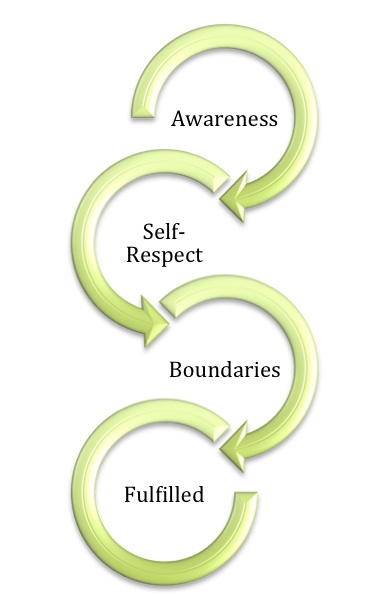
Healthy boundaries are anchored in awareness and self-respect. When in place by both partners, boundaries allow for a deeper connection because both people don’t feel as though they are threatened by an increase in vulnerability.  Although you may be hurt, your self will remain intact.

Examples of boundaries include not tolerating abusive actions or language, refusing to accept the responsibility for another’s happiness or choices and not acting in opposition to your own values and ethics.

boundaries

Walls

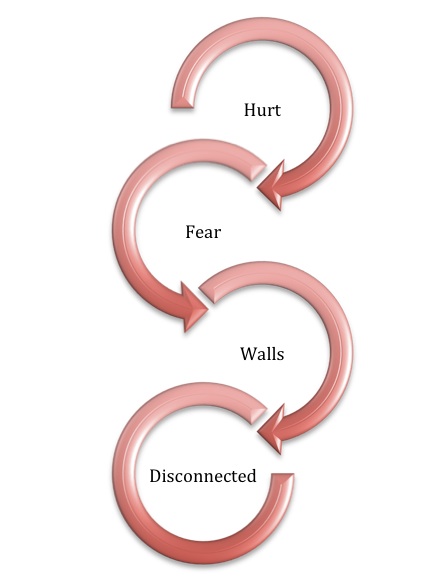
brick-293507_1280Emotional walls are bricks of self-protection mortared with fear. They are erected as a result of being wounded. They are rarely acknowledged and their existence is often only discovered when somebody runs head-first into one. Unlike boundaries, which only keep out those who misbehave, walls do not discriminate – they hold everyone back.

Walls say, “I will never allow myself to be hurt again” and “I’m not letting anyone get close to me.”

Walls are built upon fear. When one or both partners in a relationship is hiding behind walls, a deeper connection forged through vulnerability is impossible. As a result, the partner(s) hiding behind the walls may feel safe, but he or she will also feel empty and disconnected because the true self is not being seen. The wall keeps others out. And it also holds you prisoner.

Examples of walls include never letting your emotions show, deliberately withholding important information from a potential partner and isolating out of a fear of being hurt again.

wallsWhich are you building? Walls? Or boundaries?

Fine China

It seems like people possess one of two mindsets when it comes to their dishes.

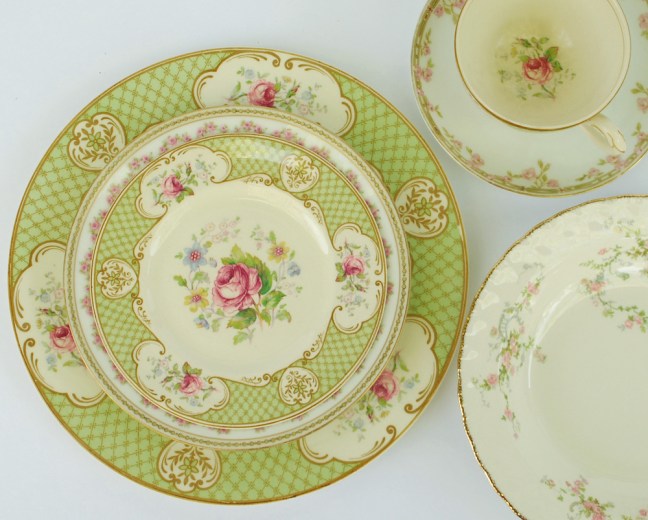
Some invest in a glorious set of matching fine china with visions of dinner parties and holiday dinners dancing through their heads. The dishes are prized, often protected behind the glass barricade of a cabinet. Every use requires an internal debate – is the perceived benefit worth the possible breakage that could occur? Most “china” families that I have known usually ere on the side of caution. The china becomes something to admire from afar while more plain plates grace the dinner table. No event seems quite good enough to unlock the doors.

Those on the other side of the divide either fill their cabinets with accumulated ware or purchase a budget-friendly matched set. There is no debate about bringing out a certain plate. After all, plates are meant to be eaten from. Sometimes, a bowl may chip when it meets the counter’s edge or a plate may shatter if it is dropped to the floor. It is a loss, certainly. But it is understood that some loss is inherent in the use of dishes.

I see that same dichotomy in people’s mindset after heartbreak.

Some people, after experiencing the crushing blow of the end of a relationship, vow to never risk that feeling again. They work to repair their heart and then they hide it away, afraid that using it would open them up to further heartbreak. With each encounter, they carefully weigh the potential risks against the possible reward. And usually they ere on the side of caution. Nobody ever seems quite worth the risk of tearing down the barriers.

Other are less cautious. They feel the heartbreak just as intently, but they understand that some amount of loss is inherent in love. Once their hearts are repaired, they are ready to put it back on the table. Even if that means that it may break again. After all, aren’t hearts meant to love and be loved?

A note to those of you in “china” families: I don’t get y’all, but I’m jealous. My home will never look as good or as put together:) Keep rocking that china! And, on a related note, please don’t judge if you’re over for dinner. You will be eating off chipped plates. Which I happen to think are perfect.


Curious