Our annual Thanksgiving camping trip is only days away. The long underwear has been unearthed and the tent located. My weekly shopping list makes it clear that I am preparing for cold weather and hearty appetites. I love our times at the campground – they have been a key part of our relationship from the beginning. Here is a repost of our first Thanksgiving camping trip. If you want the full effect, read in front of a campfire:)
Mere days before Thanksgiving, my partner and I found out we had to move within 30 days because his house had just sold. We had been planning a camping trip over the break and our initial reaction was to cancel the trip, so that we could focus on the move. I am so glad that we decided to continue with the trip. Not only did we have a good time and enjoyed the time together, but it actually made the move less stressful because we had lessons that we took with us from the campground.
1) Teamwork Required
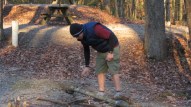
One of the best aspects about camping is that it requires teamwork. Assembling a large tent is a,most an impossibility single-handedly, but becomes a fun challenge when tackled by two. We quickly fell into a rhythm, working together, sharing some tasks and dividing others. He would brave the early morning frost to get the fire started so that we could prepare breakfast. I faced the frigid waters to clean the dishes of their breakfast remnants. The dog, well, he just laid there shivering in a sleeping bag looking pitiful. We functioned as a team.

2) Take Pleasure in the Smallest Things
When camping, you certainly have to do without many of life’s modern conveniences. However, because your expectations are in line with reality, it is not necessary a bad thing to leave that behind. You learn to appreciate the smallest achievements, the tiniest bit of warmth, a few steps on level ground. You don’t know when your next bit of pleasure will arrive, so you celebrate each moment of it that comes your way. And, just so you know, Starbucks VIA works great at a campsite; that first sip of coffee each brisk morning was heaven.
3) Surroundings Don’t Impact You as Much as You Think
I have always been sensitive to my surroundings; I need things “just so” so that I can work or relax. This can be a problem when moving, because some amount of chaos and disorder is inevitable. The campground was organized for functionality. We certainly had beautiful views, but they were not to be had in our immediate surroundings. But it was okay. Happiness is not found in a campground that looks beautiful, but is devoid of soul. I learned to release some of my obsession with my surroundings; they don’t matter as much as I think.

4)Take Breaks
We spent each day on long hikes up nearby mountains. We had our goal of reaching the tops, of course, but we planned each day with plenty of time to get there. As a result, we were able to take breaks whenever and wherever we chose. These are some of my favorite memories of the trip; the times sitting on the side of a mountain, looking out over the vistas, my boys by my side. Immense pleasure can be found in those moments between activity.

5) Share Burdens
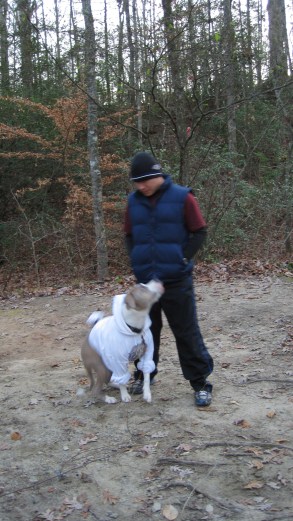
Long day hikes require a decent amount of supplies, especially when your partner insists on bringing survival gear:) We shared the load, distributing the weight so that no one person had too much to bear. Even the dog has to carry his part. There is no reason that any burden has to be carried alone; you can even share the load with your dog if need to.

6) Uphills are Balanced by Downs
Some of those hikes felt like they were uphill both ways, but any loop or out-and-back will have a net elevation change of zero. Just like on the trails, we are often more aware of the uphills in life, but remember that they are balanced by the downhills. Make an effort to notice the times the path is easy.
7) Use Your Resources
This is where my partner really shines. When we realized that one of the tent stakes had broken when we were assembling the nylon beast, he grabbed some supplies from his pack and some sticks from the woods and quickly fashioned a replacement within minutes. Before declaring a situation beyond hope, look around you and see what you can utilize to help.

8) It Takes Effort to Gain Perspective
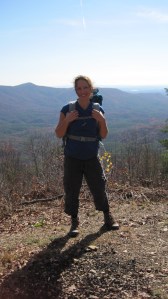
Our campsite was located at the base of Table Rock Mountain, its visage towering over us in all its granite splendor. Our first day was spent preparing the campground, we were in our little insular world. The next afternoon after a long, uphill climb, we reached elevation where we could see our campsite and how it related to the larger landscape. We tend to live life in its details and forget to look at the big picture. It takes effort to gain perspective, but a climb to the top gives valuable information. It’s worth checking out now and then.
We took those lessons with us into the move and we try to carry them with us all of the time.




 Lessons From the End of a Marriage