A Woman I Used to Know

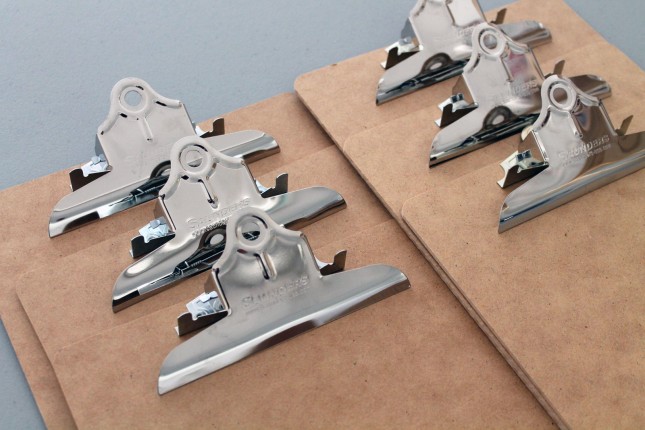
The student pulled a clipboard from the bin.

“Who’s Mrs. —?” he inquired, reading my old married name off the back of the clipboard.

I smiled, “Oh, just a woman I used to know a long time ago.”

Ain’t that the truth.


Many of the items in my classroom are labeled with my old name. When students ask who she is, I’m vague. Most have concluded that she is a retired teacher who gifted many of her classroom items to me.

In a way, they’re right.

She’s certainly retired. Not from teaching, but the old Mrs. — is no longer around. There are those who remember her and tell stories of those days, but they are behind us now.

Mrs. — has been replaced.

No, that’s not quite right.

She’s been transformed.


One of the more difficult aspects of a major life renovation such as divorce is that we struggle to imagine ourselves any way other than we are in that moment. If you asked the old Mrs. — who she was, she would speak of her role as teacher and tutor, she would talk lovingly about her husband, she would tell stories of her dogs and you would be cautioned from getting her on the subject of plants.

In those days when all was washed away, I remember feeling homeless in my soul. I didn’t know who I was anymore. Who I would become. I knew I would never be the same yet I couldn’t imagine anything but what I was.

And that was a scary place to be. Not the old me anymore and yet not the new one either. A limbo of self.

Scary and yet empowering. Because when you’re rebuilding your life and your identity from the ground up, you have the power of choice and the wisdom of experience. And that’s a powerful pair.

And the main choice I made was to be happy. Not happy because of the tsunami divorce. Happy in spite of it.

Everything else was secondary.


And now, here I am. Mrs. again. Dog momma again. About to plant again.

On the surface, much may be the same.

But beneath?

Everything has changed.

Because you can’t go back.

But you can always move on.


The old Mrs.— has retired. And now she’s just a woman I used to know.

And if you happen to see her, please tell her thanks for clipboards.


Debridement

When I was fourteen, I spent several months doing intensive outpatient physical therapy for an arm that had decided to go on strike. I was receiving therapy at an excellent rehabilitation hospital that primarily served inpatients who were working to overcome severe injuries and illnesses.

I spent most of my time in the outpatient gym, a large room outfitted with various tables, pulleys and other torture devices.

But that’s not where the real torture occurred.

Everyone in the outpatient room was pretty much okay, maybe a 6 or 7 on a Likert scale where 1 is dead and 10 is Olympian-healthy. We may have grumbled and cursed and even shed some tears, but we didn’t know what real torture was.

That was reserved for a couple of small, private therapy areas near the pool, just down the hall from the outpatient area. Those treatment rooms were primarily utilized by the burn patients. That was the hell-hole they had to venture to on a regular basis to have their wounds debrided.

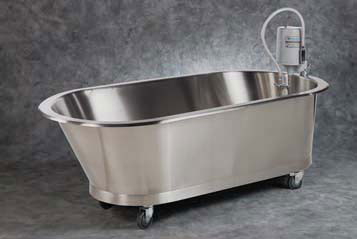
For those of you unfamiliar with the process, this is where the patients are placed in a whirlpool tub and the old, dead or dying skin is removed through mechanical means. The nerves beneath the necrotic tissue are raw, screaming with each assault. Often, the patient’s screams could be heard as well echoing down the hall.

It’s a brutal process, especially for those who have burns over a large area of their body. They would begin to feel healed, a barrier forming over their exposed tissue. But the skin formed too soon, before the blood supply was ready to keep up. So that barrier, although it appeared intact, was really an impediment to healing. If left on its own, the dying tissue would spread infection to the rest of the body. And so the old would be removed to allow fresh real estate for new, healthy skin to grow.

For most of us in the outpatient gym, our healing journeys were pretty linear. The data on our charts and the weights on our pulleys spoke of continuous improvement. We could see the impact of our efforts on a weekly, if not daily, basis.

For those scorched souls that I saw wheeled down the corridors and heard wailing down the halls, a linear path to healing was unthinkable. They would make progress only to start back again after being knocked down by infection or delayed healing. I’m sure on many days, getting healthy felt like an impossibility to them.

But in many cases, it did happen.

I remember one man in particular. He sat next to me one day as we both we on the upper body cycle (picture bicycle pedals that you power with your arms). My right hand was fastened to the handle with an adhesive wrap, but other than that minor adjustment, I was pedaling along just fine.

The man next to me? His fingers gripping the handles had burned to not much more than nubs and kept slipping off the pegs. The scars wove up his wrists, disappearing under his long sleeves. I wondered how far the scars extended. Looking down, I saw his unscathed legs visible beneath his shorts. They looked somehow wrong on him, as though the scars had become his normal tissue and the unblemished flesh belonged to someone else.

We chatted that day as we both rotated our pedals to nowhere. He spoke of being burned in a grilling accident, the flames licking up the lighter fluid and developing a taste for human flesh. He told me he was hospitalized for several weeks and then in the inpatient unit of the rehabilitation center for many more. He had been discharged recently and was in the early stages of outpatient therapy.

I asked him about those treatment rooms, about the screams we could hear down the hall. I asked how it felt, both physically and psychologically, returning for more even knowing what was in store.

He spoke of the pain, both of the body and of the mind. But he said it with a levity that surprised me.

He told me how before each treatment, he reminded himself that the debridement was removing the old, the dead, the poison. He saw the pain as the death throes of his enemies, their waste allowing new life to form. He shared the minor successes that were major celebrations. Even though he had setbacks, he never let them become permanent, choosing instead to focus on the slow, but steady improvement. He pedaled that day, not with a grimace belying the pain I knew he felt, but with a smile, happy to be alive and moving.

I learned two things from him that day-

Be careful what you complain about. Someone always has it worse.

And time doesn’t heal all wounds. It debrides them.

Allowing them to heal.

Displacement

I was enjoying a bath the other day. The hot water filling the tub to the brim, my body submerged except for my hands holding a book and my face peeking out from the suds. I was relaxed. Content.

I heard Tiger begin to dance on the wood floors below as the garage door rumbled open.

That was soon followed by Brock’s voice, “Where’s mama?” he asked Tiger as both man and dog bounded up the steps.

“That looks good,” he said, slipping off his clothes and sliding behind me in the tub. For the next few minutes, we talked about our days  with the sound of the water draining through the overflow in the background. Eventually, the sound of the escaping water stopped as equilibrium was reached once again. The volume of the water replaced with an equal volume of Brock.

We stayed that way for some time, enjoying the company and the warm water.

He exited the tub before me, stepping out while simultaneously grabbing a towel.

The change in the bath was shocking. The water that had once covered my entire body now didn’t even make it around my hips. The once-full bath had been reduced to a few inches of tepid water. Unwilling to end my soak on that note, I turned the faucet on once again, allowing the hot water to fill the void left by Brock’s absence.

We are all aware of the effects of physical displacement in our lives. We are careful not to fill a pot to the brim before adding the potatoes. We know that a full tub will overflow when splashing kids are added. We ask for room in our coffee so that the cream can added without creating a mess. We are not surprised when water levels appear to plummet when objects are removed.

Yet we are often not as aware of the effects of emotional displacement. Of what happens when people are added to or subtracted from our lives.

In the beginning of a relationship, it is like being joined in the tub by another. Other relationships and commitments shift out of the way to allow room for the new company. It can be an uncomfortable change, friendships and activities and habits all vying for attention. Trying to decide what stays and what goes. Figuring out just how much to let the new presence in and how much will have to go to allow it to settle in.

And then, you get comfortable. Your life is full and has reached equilibrium. There may be less of the metaphorical water, but the volume of the relationship makes up the difference.

As long as your partner is there with you, the water level is fine. But as soon as he or she stands up to leave, the loss is shocking. Your body, once buoyant in the support of the water, feels heavy and collapsed on the cold surface beneath. You can stay there, cold and heavy, nerves raw to the whispers of the incoming air.

Or you can turn on the tap, filling your life again with warmth and support. Finding ways to replace the removed volume with new friends and old. Revisiting former passions and finding new ones. Enjoying the buoyancy that comes from a full life.

The tub may still feel empty, but at least you’re not needlessly suffering. Bonus points if you add a rubber ducky:)

The Mourning After

I realized something the other day.

I no longer remember my ex husband.

Not in any real way.

For a long time, when people asked me what I had loved about him, I could tap into the old feelings and describe the relationship we had (at least from my perspective). With the retelling came the feelings. I felt the love again, not towards him now, but towards who he used to be to me.

Now?

I could recite a list of what I had loved, sure.

But it would really be a list. Memorized lines, any emotion borrowed or manufactured.

When I try to remember loving him,  I draw a blank. I can recall moments together, picture the scene, even tell you what was said,  but I can’t occupy myself in those playbacks. I am always an objective observer. A omniscient narrator with the knowledge of what was happening in the bigger picture.

I see us in the last embrace, standing before the prohibited items sign at the security line at Hartsfield Jackson airport. I can feel his breath on my ear as he whispered, “You’ll be back before you know it.” I can still remember the kiss, no  kisses, that morning that ranged from sweet to passionate. I remember that I used to feel secure in his arms and that my respiration would immediately slow.

I can picture that scene perfectly. Yet now when I try to slide into the me of then, feel what she was feeling – anxiety and excitement about seeing my dad again, an ache about leaving my husband, all while trying to mentally rehearse the security procedures, I get stuck. My brain, or maybe it’s my heart, stutters.

Because when he held me that day, he must have been performing some mental rehearsal of his own. He had only a few short days to pack up his life and slip out through the back door. When he held me that day, reassuring me that we would be reunited soon, he knew that he would never see me again. When he held me that day, he really was saying goodbye.

And that damned narrator tags along with any recollection of the past, always reinterpreting and explaining the action occurring off screen, not allowing me to simply feel the moment.

My memory files are corrupt, damaged by the way the marriage ended and the time spent processing its end.

Some may say that’s a good thing, a sign of moving on.

Maybe it is.

But I don’t like it.

I want those sixteen years of life to be able to exist for me. Not in some sterile slideshow way, as they do now, but in a way where I can remember, really remember the times I felt love and loved. I want to remember that woman I used to be, not only the one who was blindly trusting. I used to love him so acutely and now I don’t even know what that felt like. I can remember the pain, but not the pleasure.

It’s like a second loss.

The mourning after.

I mourned the loss of the marriage long ago.

And now I mourn the loss of the memory of the marriage.

Those years truly buried.

And left for dead.


And now I’m enjoying my afterlife.


Do As I Say

Do as I say.

Not as I do.

I talk about how whatever we nurture, grows. I discuss starting with the end in mind yet still starting at the beginning. I believe in the power of intention to drive our attention and, ultimately, our outcomes.

I say these things.

But in one area of my life, I haven’t been doing them.

One of the more difficult aspects of the divorce was the loss of the financial security I thought I had. Not only did I experience a dramatic drop in income between changes in teaching and tutoring, I also had to foot the bill for many of his actions.

In the beginning, my main attitude towards money was anger, as I paid and paid and paid for his transgressions. My pound of flesh had already been taken and now I was just scraping bone. So I found ways to address the anger. I wrapped the debt in gratitude, initiating a habit of writing something I’m thankful for every time I make a payment. When my mind wanders back to the hemorrhage of funds during the divorce that the courts were never able to recover, I turn my thoughts 180 degrees and focus on what I love in my life now. Things that money can’t buy.

The anger was eventually replaced with fear. That may have been good for the blood pressure, but it still didn’t help me sleep at night. I was scared of not having the needed funds to live. I was afraid of further nefarious action, bleeding the money even as it trickled in. The fear is still there, yet I have tempered it with reminders of the people that have my back in an emergency or with a brainstorming session of ways that I could earn money, if needed. It helps. But it hasn’t completely silenced the fear.

But that’s not really what I talking about. It’s a part, sure, but it’s a part I’ve been aware of and intentionally corralling.

This other thing?

I’ve been feeding.

For the last five years, a common utterance from me, both to myself and others, has been, “I don’t have money.”

It has become my unintentional mantra.

A guiding intention.

Whatever we nurture, grows.

Damn.

My all-too-easily rational brain has been excusing this habit as merely a statement of fact. After all, this is an area where some realism is called for. If I walked out of the mall laden with designer-heavy shopping bags, well…let’s just say there would be consequences. Like no gas in the car.

I need to be realistic about what I have to work with.

But I don’t need to allow my current situation become my intention.

Because the truth is, I’ve been busting butt to pay down my hand-me-down debt and to generate new ways of earning income. Right now, I may not have money. But tomorrow? Maybe I will.

I need to get out of my own damned way.

And nurture what I want to grow.

I WILL have the financial freedom to live the life I want.

I WILL be debt free.

And, here’s what’s probably at the root of it all – I DO deserve to be paid. I’m worthy of it.

I’ve recorded the mantras above over the old one on my mental cassette tape. The old intention may bleed through at times, but I’m not allowing it to continue to play.

Hopefully soon, I can say,

Do as I do.