Infrastructure

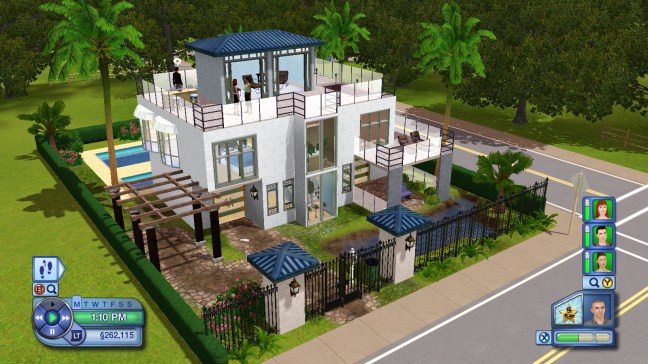
Back in the mid to late 90s, I went through a period where I was obsessed with the SIMS games. I was enamored of being able to build and create and then sit back and watch my creation live. Basically, it was like introducing Dr. Frankenstein to my childhood legos.

My first few attempts at computer-based world domination weren’t too successful. You see, I would get too excited about building the cool stuff – the big houses, the parks, the casinos and I would neglect to pay the same sort of attention to the boring infrastructure – the roads, utilities, the water treatment plants. The cities would look amazing and would run beautifully for a time.

But then the lack of underlying support would inevitably catch up and everything would start to fall apart.

So I would jump into action, scrambling to build roads to ease the traffic and make enough water and power available to my citizens. Yet, no matter how quickly I worked, those panicked attempts always failed. It was like trying to frame a house after the roof had already been put on.

So I changed my approach. At the start of a new game, I began to focus first on the underlying needs. I built roads that seemingly went nowhere. I carefully planned the conduits for water and power. I prioritized hospital and fire station locations.

Those cities had a slower start-up than my earlier attempts; in fact, they were somewhat boring at the beginning. But soon, as I started to layer the more elaborate elements atop the carefully laid scaffolding, they would bloom into amazing worlds. And, unlike the first attempts, these worlds would last.


As I watch relationships form, collapse and build around me, I often think back to those SIMS days. You can start a relationship without the infrastructure of emotional stability and well-being in place, but like my early cities, collapse is inevitable. Take the time to build yourself before you layer on a relationship. It may not be as exciting, but the after-effects are worth it.

8 Things I Wish I Had Known During Divorce

wish I had known

Experience is quite a teacher, isn’t she? No matter how many books we read or how many pieces of advice we receive, there are certain matters you only truly understand after you have lived through them.

And, for roughly half of us, that life experience includes divorce.

The following are the lessons from divorce that I wish I had known before living it:

1) There is nothing that the courts can do to make it okay.

During the legal proceedings, I was obsessed with finding justice. I wanted consequences for his actions and validation of my innocence. I spent countless hours and even more countless dollars assembling a case. It worked. On paper, at least. But the reality was disappointing. The ordered payments never came and the impact of the words on the decree lessened every day. Family courts are just not set up to punish individual misdeeds; they punish the entire class. Justice doesn’t come from the gavel. It comes from proceeding with integrity and living the best life you can. It’s not up to courts to make it okay. It’s up to you.

Read the other 7 lessons I wish I had known during divorce. 

My Story – Part 3

So, I realized after I filmed this that I neglected to go into much detail about the time immediately following the suicide attempt (like the text conversation my husband had with my mom – yeah, weird) and what happened with the other wife at that time. All that is detailed in the book along with much more of the humor around the court craziness. It just gets too detailed to try to explain verbally and, truth be told, I wanted to get on to the better stuff:) Hopefully, I won’t make anybody cry with this one!

Before you watch Part 3, please make sure you’ve seen Part 1 and Part 2.

Making Your Second Marriage Better

See me along with Ron Deal and Maureen McGrath on Huff Post Live talking about how to make your second marriage better! 

It’s Nice to Be Important

Not long after we started dating, I accompanied my teenage boyfriend to his grandfather’s funeral. I had never met nor heard anything about the deceased; my first impression came from the pastor’s opening lines:

“It’s important to be nice, but it’s more important to be important.”

Surprised at the mutilation of the common quote, I turned quizzically to my boyfriend.

“He messed up,” he confirmed in a whisper, “But it’s accurate in this case.”

I spent the remainder of the service wondering about the life and priorities of a man who left his family with that impression.

You can read the rest over at The Good Men Project, where I am now a contributing writer:)