Feeling Alone in a Relationship

Many memories of my first marriage have faded over time. But there are some that are still as sharp and pointed as the day they occurred. This is one of those.

We sat in the 4th row in the left section of the movie theater. I was in the aisle seat and he was next to me. Prior to the movie, we had gone out to dinner at our version of “Cheers,” and like usual for us, had a great time without any discord or tension.

About twenty minutes into the movie, I looked over at his profile, the light from the film alternately revealing and highlighting the curve of his face. And even though he was inches away, even though we had not fought in any way, and even though he had hugged me while we waited in line to purchase the tickets, I felt like there was an impassable distance between us.

I looked around the theater and could sense the connections between the other patrons, like a web of string mapping out the relationships and bonds. And no string mapped to me. I wondered if it was noticeable to those around me. Could they sense the disconnection?

I felt alone.

Silent tears starting welling up in my eyes as I kept stealing glances at my husband. The man who had been my everything for fourteen years at that point. The man I knew better than anyone at that point. And the man that seemed like a stranger sitting uncomfortable close to me that night.

As I silently wept and continued to forgo the movie to try to puzzle through my emotions, he never looked over at me. This on its own was unusual, as he normally was quite affectionate. With the benefit of hindsight, I think he had an idea what I was sensing that night and he was actively working to pretend that it didn’t exist.

And so for an endless two hours, I sat alone with my husband. Feeling invisible.

Once the credits rolled, he smiled at me, squeezed my hand, and made a comment about the movie. He was back to pretending and I was back to believing.

Isn’t it wild how you can sit on a sofa by yourself and feel content, yet feel completely and utterly alone even when your partner occupies the adjacent seat?

That’s because feeling alone has little to do with the person physically by your side and everything to do with trusting that a person will stay by your side.

Sometimes the disconnection is overt, a partner resorting to the silent treatment or actively working to turn away. It’s a rejection. And you’re able to point to the source of the pain.

Other times, it’s more subtle. A feeling like even though you share a home, you’re living two different lives and looking out through two different windows. You’re going through the motions of doing this together, yet instead of feeling like a team, you feel like you only have yourself to count on.

And sometimes it’s situational. For example, grief is a highly personal experience. If the couple has experienced loss, it’s common for them both to feel alone because their partner is not grieving in the same way.

All relationships go through times of connection and times of disconnection. It’s normal to sometimes look at your partner and wonder, “Who even are you?” In healthy marriages, both partners acknowledge the distance and look for roads back to each other. One person can say, “I feel alone,” and the other will respond with, “What can I do to show you that you’re not.”

Feeling alone becomes a problem when it’s chronic, when it’s ignored or when the distance is created and maintained intentionally by one or both parties. And feeling alone can have some huge repercussions as it erodes your self-worth and leaves you with a low-level hum of constant rejection. Your body becomes more prone to illness as your brain begins to attack itself in an attempt to make sense of the emotional isolation.


If you’re feeling alone in your relationship, it’s time to look closer –


– Is your partner pulling away? Are their energies focused elsewhere?

-Are you the one creating distance? Maybe you want connection but you also fear getting too close and becoming vulnerable.

-Has there been a situation that only one of you is facing and the other has little experience with? Or, has there been a loss and you’re grieving in your own ways?

– Have you brought up how you’re feeling? If so, what was the reaction? Has there been any action (not just words) towards rebuilding connection?

-Are you putting all of your needs on your partner? Are you asking your partner to be something they’re not?

-Do you feel less alone when you’re away from your partner than when you’re with them? If so, that’s a very telling sign.


7 Reasons People Withdraw in a Relationship


It’s kinda funny isn’t it? How we stay in a relationship past its expiration date because we’re afraid of being alone, yet we tolerate feeling alone while in a relationship? And what’s even crazier that being alone by yourself (once you get over the fear of it) is SO much better than feeling alone while you have a ring on your finger.


Loneliness After Divorce

Holiday Survival Tips for the Divorced and Separated

There is no season more polarizing than the weeks between Thanksgiving and New Years. For some, it is eagerly anticipated as they welcome the time with family and tradition. For others, it is a season filled with dread, as it has an uncanny ability to highlight what we do not have. For those in transition from one life to another, from partnered to single, from big family to small, it can be a tricky season to navigate but a little effort and reframing can go a long way. The following are some tips for the divorced and separated that can can help you reclaim your holiday rather than hiding from it.


Let Go of the Way it Was

It will not be the way it was before. Don’t even try to make it stay the same. It is an exercise in futility. But here is the most important part – just because it is different does not mean it cannot be just as good. Or even better.

We resist change. It’s normal. We prefer things to stay the same rather than to venture into the unknown. Change is scary but it also means that the rules have been lifted.

If you have kids, this is a good conversation to have with them. Let them know that the season will not be the same. Remind them of other changes in their lives that were scary and unfamiliar at first but that turned out to be good – the birth of a sibling, the change of a grade, the move into a new home. You are their model for how to handle change. Wear it well.


Put Yourself on a Media Diet

Sometimes I think that the Christmas ads and movies have to be sponsored by the drug companies that make antidepressants. There is nothing so disheartening as to constantly compare your life with the saccharine-sweet images of perfection that bombard us ever winter.

It’s impossible to avoid them all but you can limit your exposure. Put down the Pintrest. Walk away from Facebook. Record your TV shows and avoid the commercials. I would not, however, recommend wearing a blindfold at Target. You might accidentally purchase a reindeer sweater.

Consciously choose to read and watch and listen to things that build you up. That remind you of what is really important. That make you feel good about your life.


Give it Away

There is no better way to shut down a pity party than to give to others. If you are unanchored during the holidays, it is a perfect opportunity to volunteer. You can find opportunities at your local churches, through a Meetup group or through a local charity. Inquire at a nearby hospital or senior center. There is always a need for volunteers during the holidays. If you don’t like the idea of being around people, volunteer to help out at an animal shelter. Make or wrap gifts to send to children or troops. You can touch others lives even if you never leave the house and that connection will help to make the holiday better for both of you.


Create New Traditions

Try to see this as an inspiring time to create new traditions. The sky is your limit. Who says that Thanksgiving has to mean a formal turkey dinner? Where is it written that Christmas must occur around a tree? After my parents split, my mom decided that Thanksgiving was meant to be carried out in a campground, a tradition that Brock and I uphold today. I know of other families or individuals that take trips. Some redecorate. By starting a new tradition, you are staking claim on the holiday, controlling it rather than letting it dictate how you will feel.

I May Not be Traditional


Reschedule the Holiday

For those of you in the difficult position of not having custody of your kids on the holidays (whether every year or every other), this can be a powerful tool for you if you know how to use it. Use the calendar to your advantage. We often receive more happiness from the anticipation of an event rather than the event itself. If you do not have your kids on Christmas, reschedule your holiday (and remember, you can make it whatever you want) for a few days or weeks later. This gives you something to look forward to when your ex has the kids and capitalizes on the inevitable letdown that kids have after the frenzy of the holiday.


Redefine Family

I have had the wonderful experience of being “adopted” into various homes over the years to celebrate the holidays. The invitations were usually offered after the usual “What are your plans for Christmas” exchanges. I am so thankful for the families that included me over the years. Yes, sometimes I felt like the odd one out, but mostly I just felt loved and supported. There are most likely families in your life that would happy to extend an invitation to you. Just be open and willing.

Brock and I now are able to be the home for other Christmas “orphans.” If you are in a position where you can have people over, look around you for others that may not have a place to go. Ask them. And remember, you can create your own traditions. In our home, we tend towards Mexican lasagna and martial arts videos. Not quite traditional, but quickly becoming tradition:)

Ghosts of Christmas Past


Spontaneity and Silliness Are Your Allies

This is a great time to practice saying yes. Yes to new opportunities. Yes to smiles. Yes to chances. Don’t take it or yourself too seriously. Get out of your head and just be. I recommend doing something you suck at to encourage the giggles. For me that’s not too hard. Ice skating or anything requiring a downhill usually does the trick. It’s hard to be morose when you’re constantly falling on your butt.

I’ve Fallen, But I Can Get Up!


Embrace the Solitude

All of that being said, there is no way around the basic truth. Those first few holidays without your partner can be horribly lonely. Isolating. It’s a bitter reminder of what you had and what no longer exists.

Face the loneliness and then, go one further, and embrace the solitude.

Some of my most powerful and spiritual experiences have been in those moments. Those solo hikes through empty woods. Those isolated drives insulated from the rest of the world. Those moments in a crowd where I seemed to be the only one without a mate.

Feel the power within yourself. Recognize that you can chose how you want to feel and you can create a holiday season that is meaningful for you.

Even if it includes awful reindeer sweaters.


Separation Anxiety: Understanding Why Rejection Hurts

rejection hurt

Our new pup apparently has some issues with separation anxiety.

So far, he has destroyed every bed that has been secured with him in his crate and tried to eat through a window when he was allowed to roam free (He was wearing the cone of shame when this happened. I would love to see video of how he managed to get his teeth to the window frame!).

Once we realized what were dealing with, my husband immediately researched Cesar Millan’s recommendations for mitigating separation anxiety.

In one video, Cesar highlights the origination of the behavior and why it can be so pervasive.


“Dogs are pack animals. And to be left behind from the rest of the pack is the most painful thing ever.”


Wow.

Now, I know it’s dangerous to equate human emotions to dogs. But when I heard this, I immediately thoughts of the excruciating pain of a sudden break up. After all, our human packs may look different, but social bonds are just as important to us. And to be rejected from the rest of the pack is the most painful thing ever.

In our ancestral past, to be rejected could easily become a death sentence. Without the protection and pooled resources of the tribe, the outcast immediately has to enter into a battle for sheer survival.


It’s no wonder then that rejection registers the same as physical pain on fMRI scans. To be rejected can feel like a literal death sentence. 


This framework also helps to understand why people respond to romantic rejection the way that they do. Especially when the break up is sudden and complete or the withdrawal unexplained and painfully cold.

Some choose to fight, channeling their distress into relentless anger targeted at the people they see as responsible for their dismissal. They may paint their ex as a malicious monster or demonize the other man or woman. Rejection can prompt an offensive attack  or it can lead to a fight to hold on to the rejector. This grasping may manifest physically as stalking behavior or it may exist only the rejected’s mind in the form of obsessive and persistent thoughts.

Others, powered by the fear of being alone, choose to flee, hoping that if they can only run fast enough, they can outpace the pain. They may seek to distract themselves from the rejection or find temporary acceptance from hollow interactions. Maybe they convince themselves that they prefer being isolated and they build walls to ensure that others cannot approach (thus eliminating the chances of further rejection).

And some choose to freeze. Becoming stuck, anchored in their isolation. They turn inward, perhaps blaming themselves for not being enough. As they internalize the experience, they shift from seeing rejection as something that happened to them to wearing it as an identity and projecting this idea that they are not to be desired.


At its most basic, rejection triggers fear. Fear of being alone. Fear of being unwanted. Fear of insignificance. 


At home, we’re working with Kazh to help him understand that being alone isn’t something to fear. He’s learning how to stay calm even as his humans walk away and to trust that the solitude is transitory. We’re building his confidence in himself so that he becomes more comfortable when his pack leaves him behind. And, as the healing leg allows, we’re exercising the body so that it is less likely to send the mind signals of panic.

And it’s not really so different for us. We can practice staying calm in times of rejection, reminding ourselves that isolation is often fleeting. We can refrain from exaggerating the magnitude of the rejection, understanding that feeling like you’re dying doesn’t mean that death is truly imminent. We can focus on building our confidence so that being alone doesn’t equate to feeling helpless. And we can use the body to help to train the mind.

But we, unlike many of our canine companions, can also find a new pack when we’re pushed out of the existing one. A rejection from one person does not equate to a rejection from all.  Instead of seeing rejection as a sign that you’re not good enough, chose to view it as an indication that you’re not the right fit.


When you view rejection as information, it empowers you to find a more fitting situation. Better to know that you’re not a good fit than to spend your life trying to be a square peg in a round hole.


And if you’re still feeling the sting of rejection, play with a dog. They’re good at making you feel wanted. Especially if you have treats:)

Lisa Arends divorce
Obligatory puppy photo.


52 Things to Do When You’re Feeling Lonely

lonely

Feeling lonely sucks. The sense of being disconnected and unseen can pull us down as certainly as a lead weight affixed to our ankles. Loneliness isn’t always apparent to others. The person who lives and works alone may feel perfectly fulfilled while the married mother of three may be struggling with feelings of isolation.

That’s because loneliness is often more about what is happening in your head than what is happening in your life. And it’s SO easy to fall into decisions and actions (or often inactions) that feed the loneliness. If you’re feeling lonely, what you’re doing isn’t working. So, why not try one (or more!) of these ideas instead?

Some are big, some are small. Some can be done with no planning and no money, others take a larger investment. Some are geared towards extroverts, whereas others will appeal to the more introverted among us. Some appeal to the athletic and others will speak to the artistic. Regardless of the specifics, these are all designed to encourage out of your comfort zone (which is really more about habit than comfort, isn’t it?) and help you create a sense of connection and belonging.

Look through and pick what you think may work for you. And then put it into action. After all, you never know unless you try.

1 – Snuggle with a pet. Their unconditional love and unending acceptance is always a wonderful reminder of the connection you have with other living creatures. Furthermore, if your confidence is currently low, you can find comfort in the lack of judgment of animals. If you don’t have a pet, consider volunteering (or even just visiting) a shelter. I just learned about this unbelievable amazing one near me.

2 – Get into nature. It’s strange, sitting alone on your small sofa can feel more isolating than being alone on an extensive trail. Something about the magnitude and ever-changing beauty of nature makes us feel small and yet makes that diminutive stature matter less. Additionally, loneliness is compounded within our own heads. When we get outside, our minds often follow.

tit-2991507__480

3 – Go somewhere where there are other people. Make a connection, even if it’s just a shared smile or a “good evening.” Build a small collection of places – coffee shops, bookstores, arcades, salons, batting cages, etc. – where you enjoy the atmosphere and the activity. When you’re feeling alone, let those become your “Cheers.”

4 – Engage your creativity. Part of loneliness is feeling like you don’t matter. When you create something, you are tapping into and releasing your inner self, bringing something new into the world. If you don’t already have a preferred creative medium, experiment. We may not all be accomplished painters, but we all can find a way to express ourselves.


(function (v,i) {
var scp = v.createElement(“script”),
config = {
ChannelID: ’59c4d02d28a06117d405b228′,
AdUnitType: ‘2’,
PublisherID: ‘254863889856617’,
PlacementID: ‘pltcqFJsrTEyaQkNyOJ’,
DivID: ”,
IAB_Category: ‘IAB7-18’,
Keywords: ”,
Language: ‘en-us’,
BG_Color: ”,
Text_Color: ”,
Font: ”,
FontSize: ”,
};
scp.src=’https://s.vi-serve.com/tagLoader.js’;
scp.type = “text/javascript”;
scp.onload = function() {
i[btoa(‘video intelligence start’)].init(config);
};
(v.getElementsByTagName(‘head’)[0] || v.documentElement.appendChild(v.createElement(‘head’))).appendChild(scp);
})(document, window);


5 – Limit your social media time. It’s easy to get sucked in, thinking that you’re nurturing with connections with others, yet studies show that watching the highlight reel of other’s lives from afar actually leaves you feeling more isolated and left out. Also pay attention to what platforms make you feel worse and which ones leave you feeling lifted. Each app has its own flavor and it’s important to find the ones that work best for you.

6 – Break a sweat. When you’re idle, you are providing plenty of space for loneliness to climb up on your lap and settle in. So brush it off and get moving. Go for a walk around the block. Sign up for a yoga class or finally commit to trying that new kick-boxing gym down the street. Even something as simple as a few push ups and body weight squats in the privacy of your own home will shake off the weight of lethargy.

cycling-655565__480

7 – Call or write your grandmother or a grandmother-like figure in your life. Their world-wisdom and low tolerance for inane platitudes can be refreshing and they may even contour up some feel-good memories from childhood. If your grandmother is no longer living, consider visiting a senior living facility nearby and spending time with the residents that don’t have visiting family.

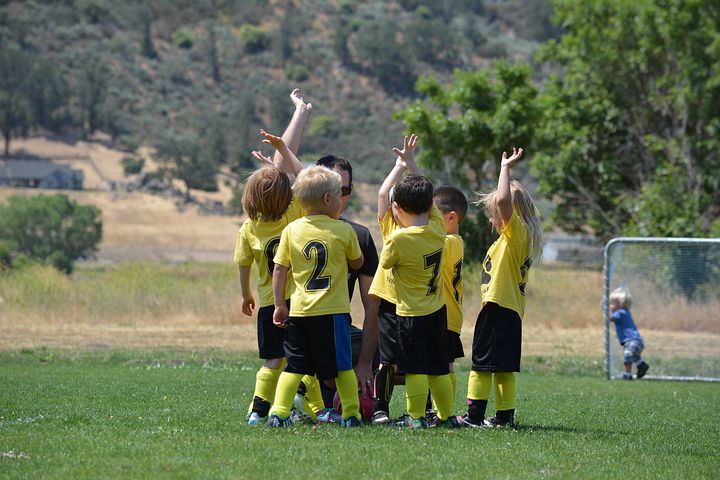
8 – Join something with a shared goal. It doesn’t matter if its the local chapter of your Toastmaster’s club, supporting somebody running for office, or the local running group. Sign up (and commit!) to an activity where everybody in the group is working towards a similar objective. Even if you never reach friendship status with any of the others, you will gain a sense of belonging.
team-2444978__480

9 – Pick up a work of fiction. When you’re struggling in your current world, sometimes a temporary escape to a fictional one can be just the respite you need. Find a book (or even better, a series of books) that excite you and envelope you. In addition to the brief evasion of reality, studies have demonstrated that reading fiction helps to develop emotional intelligence. And that may just give you the tools you need to address your loneliness in long term.

10 – Change your labels. If you consistently tell yourself that you’re lonely or isolated or unloved, you’ll start to believe it. Instead of those negative labels, try assigning more positive versions: independent, solo, autonomous, self-reliant. It’s amazing how much the perspective about a situation can change with a turn of phrase and it’s amazing how much the emotion associated with a situation changes with perspective. Go get ’em, maverick!

11 – Go to church. Churches are ready-made communities that are usually ready to welcome newcomers with open arms. It may take a little trial and error to find the congregation that resonates you and you may get a better feel for the culture from a smaller group gathering rather than the primary service. If you’re not particularly religious, consider a non-denominational congregation, a Unitarian church or even some of the more secular-focused groups of a traditional place of worship.

12 – Join Nextdoor. This app is limited to people in your immediate area. It is a paired-down social media site that tends towards the wayward dogs and the garage sales. Despite its limited content, in an era when we often don’t know our next door neighbor’s name, this app gives you a way to get to know and communicate with your local neighbors. You can also use it to see if anyone in your area is interested in starting a walking group, a gardening club or a beautification committee.

13 – Invite an acquaintance for coffee. It’s challenging to initiate and grow new friendships in adulthood. In childhood, friendships simply seem to happen simply through proximity. As we grow, building relationships takes a more concerted effort. So take that first step and invite someone in the periphery of your life out for a cup of coffee. At the least, you have a companion for an hour. At most, you have the beginning of a new friendship.

people-2559723__480

14 – Volunteer. This is one of those activities that gives amazing dividends on the energy invested. When you offer your services to help others, you often benefit as much as the recipients. Not only does it feel good to help, but it also helps to provide perspective, cultivate gratitude and assists in getting you out of your own head and current situation. With the myriad options available, you can find an opportunity that finds your time and temperament.

15 – Start a blog. Unlike the rapid-scroll and click bate realm of many social media sites, blogging communities have a greater tendency to be, well…communities. Especially if you blog about some niche interest or experience, you very well might find yourself some online companionship. One caveat with blogging – you will encounter some jerks. Remember that what they write says more about them than you. Don’t take it personally, block them from further commentary, and enjoy those that know how to play nicely.

16 – Spend time in your front yard every evening. It’s so easy to go to work, pull into your garage and spend the remainder of the evening in your home. And if you live alone (or live with others who make you feel as though you’re alone), you are literally walling yourself off from human contact. Instead, commit to spending a set amount of time on your front porch (or apartment balcony) each evening when others in the community are active. Bring something to keep you occupied, but make sure that it is something that is interruptible. When neighbors walk by, smile and say “hello.” In time, conversations may happen and relationships may form. Yet even if they don’t, the fresh air and the brief connection with others can go a long way.

lemur-2861922__480

17 – Go to a restaurant and eat at the bar. It can feel strange and awkward for some people to dine solo (or with someone that makes you feel alone), especially when the establishment is full of seemingly engaged couples and groups. Consider sitting at the bar. It’s less uncomfortable than occupying one chair at a table and you will often have other solo diners around you. Furthermore, the layout makes it relatively easy to join in on banter between other customers or with the staff.

18 – Be honest with people. Be careful about uttering the knee-jerk response of, “I’m fine.” Because people will often take you at your word and if you’re not fine, you’ll end up suffering in silence. Most people want to be helpful, but they can’t help if they don’t know. Asking for help isn’t weakness; it’s a sign of immense courage.

19 – Check out MeetUp.comDo you want to learn how to make homemade pasta? Are you looking for a rollerblade group in town? Do you want to find a book club that only discusses dystopian fiction? You’ve come to the right place. If you’re in a decent-sized city, MeetUp has every possible activity and every potential type of group. It’s a great option when you want to meet people but you’re not interested in dating or the trepidation of making the first move of a new potential friendship. If you’re nervous, take heart that many of the participants are also in your shoes.

20 – Go shopping. But not for you. On it’s own, shopping can actually increase feelings of depression and loneliness. However, if you are engaged in the hunt of finding treasures for somebody else, it actually improves your well-being beyond the time in the store. If you’re at a loss of who to shop for, contact a local women’s shelter, school, or community center and ask them for ideas.

dog-2617516__480

21 – Get a part-time job. If your day job doesn’t provide you with much contact with others (or if your day job involves running around after toddlers), evaluate the idea of taking on a part-time job. This one is less about the money than about the connections, so think about what would give you the contact you want. If you prefer to see the same people at regular intervals, consider a front desk position at a small gym or salon. If you’re more fast-paced and into one-and-done connections, think about a shift at a restaurant or as a checker. When you look into your options, also pay attention to your potential coworkers and strive to find a culture that you can integrate within.

22 – Throw a party. I know, it’s scary when you’re feeling alone. After all, what if nobody shows up? But what if they do? Keep it low-key, focused on some theme or event or activity (or even another person) and don’t allow your exceptions to ascend too high or plummet too low. If you’re uncomfortable with people in your home, consider hosting in some other location. Ask, and you’ll soon be receiving guests.

23 – Sign up for a group travel adventure. These groups are like ready-made sister-and/or-brotherhoods on a quest for adventure. You may all start out as strangers, but as you commiserate over the paltry breakfast one day and exclaim over the views the next, bonds will begin to form over the shared experiences. And even once you’re back at home, you’ll maintain the memories, if not the relationships.

adventure-1839147__480

24 – Start a home improvement project. Fixing up your space serves two purposes – it gives you a project to throw yourself into and it helps to create an environment that you find welcoming and supportive. And I promise you, if nothing else, you’ll get to know the employees at your local hardware store.

25 – Join a cause or participate in a social movement. There is no shortage of groups that promote, support and organize around some sort of cause or mission. Take a moment and brainstorm what beliefs you’re passionate about and then investigate local or virtual groups that are working towards that end. Smaller groups or smaller niches within larger organizations will provide more opportunities for regular and consistent connection with the same people.

26 – Smile and make eye contact with the people you encounter throughout the day. Most people want to make connections yet we often go through our public lives with our heads lowered, our faces lowered into our phones or our minds elsewhere. Make a conscious effort to make eye contact and acknowledge others through a quick nod or a smile. It will feel strange at first and some people may be surprised to have a stranger concede their existence. It’s okay. It gets easier and those smiles you receive in return will be proof that you’re establishing a fleeting link with another.

lion-cub-2818957__480


Continue to read 26 MORE things to do when you’re feeling lonely.