
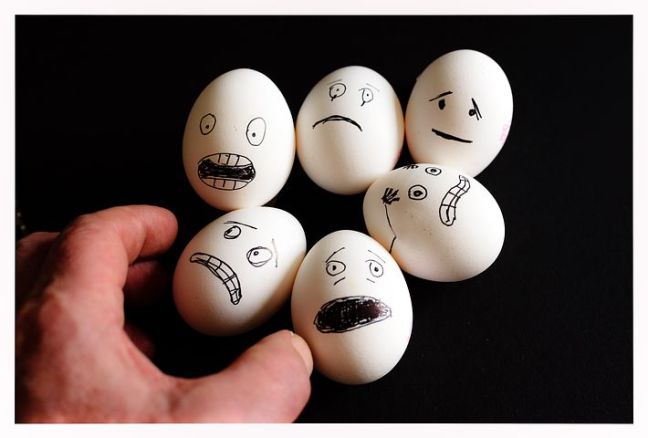
Dating after divorce requires navigating a minefield littered with the emotional debris of your marriage. In such a potentially hostile and alien environment, differentiating between true threats and harmless anxieties can be challenging. Here are some clues to help you decide if your new relationship worries are normal…or something to be worried about –
Signs That You May Need to Reevaluate Your Relationship:
1 – Feeling like the other person “saved” you.
This can be such a seductive feeling. When you’ve been slogging through the suck of divorce and you meet somebody that promises (through word or action) to pull you free of all that misery, it’s an amazing sensation. Things go from seeming insurmountably terrible to unbelievably simple as this person sweeps you off your feet.
It’s tempting to read into this feeling as a sign that you’ve finally met the right one. That by replacing the person on your arm, you’ve immediately shed all of the pain and struggle from your previous relationship. Yet it’s not that simple. That lightness and elation you’re feeling with your new date is a great sign – it tells you that you won’t be mired in the past forever. And when it comes solely from an external source, it will also be fleeting. Because nobody has the power to save you from yourself.
If you find that you’re assuming the stance that you have been saved by your new dating partner, you’re putting yourself in the perilous position of counting on them to remedy your problems. You’re both giving them too much responsibility and too much power over you.
2 – Only staying with your new partner because you don’t want to be alone.
When we’re starving, we’ll settle for food that is less than desirable in order to avoid the urgent discomfort of an empty stomach. Likewise, when we’re hungry for companionship, we’ll accept a partner that is far from ideal.
The fear of being alone is universal and powerful. Consider the role isolation plays in some of the more psychologically terrifying fiction. From Hanks’ character in Cast Away to Wahlberg in The Martian, we feel that primal twinge of panic at the thought of being abandoned. And after divorce? That primal scream is awfully loud.
And so we easily can grasp onto the first available body that we encounter. Not only setting us up for a misguided choice, but also increasing the chances of feeling lonely within a relationship. Which, as many people can attest, is even more isolating than feeling lonely by yourself. Being alone suck, but being with the wrong person is even worse.
3 – Describing your dating partner as good, but…
There’s a common narrative in relationship letters to advice columnists. The writer first describes all of the wonderful characteristics of their partner, only to then follow up with, “but…” And the word that follow that conjunction are often terrible, describing abusive or controlling behaviors. Effectively negating all of the positives that were first recounted.
Nobody will be all-good or even an entirely good fit for you. Every person and every relationship has its “yes, buts…” And in order to have a happy and healthy relationship, you have to be willing to live with (and even ignore) those negatives. However, especially when you’re feeling vulnerable, it can be easy to be in denial about some major red flags. Pay careful attention to the downsides that your partner brings to the table. The good side can only balance out so much.
4 – Only staying with your partner because you don’t want another “failed” relationship.
It’s not easy to accept that either you chose poorly again or haven’t yet developed the skills needed to maintain a healthy relationship (or both). It’s both disheartening and embarrassing to have to admit that you’re yet again at the end.
So maybe you begin to tell yourself that “it’s not that bad” or maybe you begin to believe that this is what all relationships ultimately dissolve into. For many of us, it’s not easy to admit to our mistakes or our shortcomings. We stay on the path because it seems preferable to conceding a wrong turn.
Yet often, refusing to admit to a mistake is the worst mistake you can make. What’s worse – having to say you screwed up or living with a screw-up for the foreseeable future?
5 – Feeling embarrassed to introduce your date to your friends or family.
When you feel like you have to keep your date a secret from others, you need to ask yourself where this shame or embarrassment is coming from. Do you subconsciously believe that they are somehow beneath you? Do they have some very real shortcomings that you privately believe should be deal-breakers (but you still don’t want to break the deal)?
Friends and family can often provide a helpful perspective on your romantic relationships. Unblinded by love (or lust) and fear, they may be able to give you some insight that you’re too close to see. It’s a warning sign if you’re reticent to hear that input.
6 – Justifying or ignoring “deal breakers.”
before you started dating again after divorce, you probably generated a list of deal breakers in a relationship. Some of these may have been reactionary and rather inconsequential (I know I swore off men with a certain pattern of facial hair). But other items on your list are probably there for an important reason.
Take a moment to recall those traits that you swore would be a “stop sign” to a relationship. Have you allowed your resolve to slip and you’re now justifying or excusing those very things you swore you would not tolerate?
Changing your own values and boundaries is a sign that you’re allowing yourself to be swallowed up within your relationship. Remember, the promises you make with yourself are the most important ones of all.
Normal Fears When You’re Dating Again After Divorce:
1 – Struggling with being open and vulnerable.
Dating is risky. Allowing yourself to love again is scary. You will probably find yourself either wanting to hide behind an emotional wall or wanting to run at the first sign of developing intimacy. This impulse is completely normal as you try to find the balance between never wanting to be hurt again and wanting to find love again.
2 – Learning to manage triggers from the past.
You will carry some of your old assumptions and fears into your new relationship. You will struggle to differentiate between an appropriate reaction to the present situation and an attempt to battle ghosts from the past. Feeling triggered often says more about where you are in the healing process than it does about the state of your new dating relationship.
3 – Negotiating the terms and expectations of the relationship.
This new dating relationship is not your marriage. There will be rocky periods as you navigate the unfamiliar terrain and both communicate your needs and expectations. Divorce has most likely influenced you; the terms you seek within a relationship now may differ from those that you sought before.
4 – Fear of losing your dating partner.
You’re fresh on the heels of lost love. It’s completely natural to fear losing it again. You may find that you have a tendency towards clinginess or a drive to know everything your partner is doing in an attempt to control the outcome. This fear is normal; however, it can also easily become out of control if it is allowed to run amuck.
5 – Missing elements of your ex.
No matter how vile you now believe your ex to be, there were traits that drew you to them. Traits that you may now miss. Occasionally longing for the positive elements of your ex is nothing to worry about. Just be careful about comparing your new date to your former spouse.
6 – A sense of awkwardness and discomfort.
In time, marriages become the comfortable tee shirt you’ve had since college. The sharp folds have been softened as it molds to your body and you’re familiar with its every seam. A new relationship is a unworn pair of boots. Shiny and full of promise, but also a bit uncomfortable and strange feeling. It doesn’t mean it’s not a good fit. You have to give it some time to break in.


 Lessons From the End of a Marriage