How to Handle Being Alone After Divorce

And suddenly it hits you.

Maybe the kids are bed and the house is quiet. Too quiet.

Perhaps you’re filling out a form and asked to list your emergency contact. You only catch yourself after you start to write your ex’s name.

Or, you’re out running errands on a Saturday afternoon when you notice that everybody seems to be coupled up.  Happily coupled up.

Regardless of the circumstances, that sudden sensation of being alone after divorce hits like a slug to the gut, taking your breath and leaving you dizzy and disoriented. A sensation of being adrift at sea on an isolated raft.

But the good news is that you’re not helpless. There are ways to both learn how to accept being alone and concurrent changes you can make to reduce the loneliness.

To cultivate acceptance…


Reframe What It Means to Be Single

When I found myself suddenly single in my thirties surrounded by a sea of married suburbanites, I felt like a shamed outcast (even if only in my mind). So I actively sought examples to redefine what singlehood meant.

I considered a family friend, never married and yet never held back. She bought a house, traveled the world and cultivated friendships all without a partner by her side. I looked up to a woman at work who had divorced many years before and had chosen to remain single because she discovered she liked the autonomy. Although her dogs were her only companions, her life was anything but empty.

I read books and watched movies that featured single protagonists that were at once both powerful and fulfilled. Even while I was still crying into my pillow every night, I was collecting inspiring quotes about singlehood.

Reject the idea that single means alone. Yes, it may feel lonely now, but that’s only because you are new to this space and are still finding your way.

Replace that image of the lonely old cat lady with one of the badass heroine of your choice. Reject the idea of the sad over-forty divorced man at the bar with an image of someone who chooses to live outside of life’s rules. Rather than molding yourself into society’s definition of single, find a way to make single work for you.


Celebrate Your Independence

Do you want to paint the kitchen green? Go for it! Considering buying that too-expensive, but oh-so-good marinade from the specialty store? Why not? Tempted to spend the day in your sweats and eat cereal for dinner? No problem. You are an independent adult that can now make most decisions without consulting another adult.

After living with my first husband for almost fourteen years, I had grown accustomed to always thinking about and considering his needs and preferences before I made a decision. And even while I was still acutely missing our marriage, I was having fun exploring my own desires without the need for compromise.

Enjoy the freedom you now have to make decisions on your own. Just ensure that in doing so, you are not hurting your children or yourself.


Embrace the Table For One

It’s all too easy to hit the bar scene or the dating app when you’re feeling lonely. After all, it’s only logical that having someone by your side (or in your bed) will reduce the feeling of isolation.

However, the unfortunate truth is that those casual connections can actually make us feel more alone. When you’re around someone that doesn’t really know you, you’re not truly being seen and accepted for who you are. And that inauthenticity can be a horrible feeling, as though you’re quarantined in a public square.

More steady relationships can also amplify the feeling of loneliness because you’re comparing where you are with them in the early stages to where you were with your ex after years together. And it’s not the same.

Instead of trying to fill that void with casual flings, find things that you enjoy doing by yourself, for yourself. Yes, it can feel weird at first. But it gets easier in time.


To reduce the loneliness…


Plan For the Loneliest Moments

Sometimes the loneliness will catch you unaware. Yet much of the more difficult moments can be anticipated. Take some time to think through what situations, locations or dates might be challenging for you and plan your approach.

For example, maybe your ex takes the kids every other weekend. Without a plan, you could find yourself alone on Friday night in an empty and lifeless house. However, if you know ahead of time that you’re going out to your favorite exercise class and out for brunch with your friends the morning after, the weekend feels a little more like a vacation and a little less like solitary confinement.

Here are some more ideas on how to plan for the loneliest moments after divorce.


Practice Vulnerability  

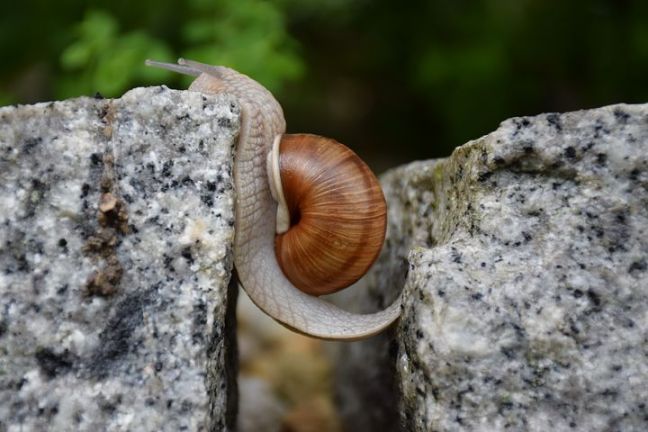
After divorce, most of us curl up inside ourselves like a snail seeking shelter. It’s a natural response to pain. Yet, if allowed to go on too long, that defense mechanism becomes a contributing factor to loneliness. Because unless and until we are willing to be open, we will always feel isolated from others.

Find ways to practice vulnerability in a safe space. This can be through therapy, where you confide in a professional. It can be within the context of a good friendship. It can even be cultivated through visits to a massage therapist, where you acclimate to receiving non-sexual touch.

If not addressed, that retreat from discomfort will eventually become a habit, leading towards loneliness even in the case of a new relationship. Strive to continually practice vulnerability with others so that you can experience connections on a deeper level.


Refrain From Isolation

Since I lost my house in the divorce, I needed to find another place to stay. Although I was drawn to getting a small apartment by myself, I knew that decision would be a mistake since it would be too easy to isolate myself. Instead, I moved in with a friend and her family. It’s hard to feel too alone when you’re sharing living spaces.

One of the most devastating elements of loneliness is the feeling that you don’t matter. That you could exit the world today and no one would even notice. So make an impact. Join a volunteer organization. Become a Big Brother or Big Sister. Spend time with the elderly at a retirement home and gain wisdom from their stories. Or, register to rock newborns in the nursery and gain hope from their innocent eyes.

Ultimately, loneliness is a choice. And inaction is choosing to remain isolated.

So if you’re feeling lonely, do something.

Reach out.

Nurture connections.

And get busy.

Divorce can make you lonely.

But you don’t have to stay there.

The Problem With Always Being “The Strong One”

strong

On Wednesday, I taught the wrong lesson to my 6th grade classes. And then on Thursday, I somehow lost the lesson I had previously prepared for my 8th grade classes. Friday was blessedly uneventful and then on Saturday, I walked into my yoga studio without any of my yoga gear.

None of this is like me. I’m always the Type A, super-planned and over-prepared type of person. My yoga bag, that I’ve never forgotten before, has two of everything. You know, just in case.  I’m the one that acted as a reminder and an alarm clock for friends and family before phones evolved to provide those services. My brain usually attends to details and dates without a problem. Both professionally and personally, I’m seen as the dependable, responsible and has-her-stuff together one.

But right now, that’s not the case.

Luckily, I’m not having trouble because of anything bad. I’m just struggling to handle too much. Yet in some ways, the results are similar. I’m having a hard time and, because I’m typecast as “the strong one,” I don’t always feel like I’m allowed to have a hard time.

I see this dynamic so often in single parents as they appear to balance it all during the day, only to collapse in tears behind the privacy of the closed bedroom door at night. They have no choice but to be strong – to keep it together for their children, even as they feel like they’re falling apart.

On the one hand, it feels good to be deemed strong, it means you’re independent, determined and resourceful. On the other hand, the moniker often brings with it an additional burden.

Because when you’re always the “strong one,”

You don’t feel like you’re allowed to break down.

When you’re always told that you’re strong or that you have it together, you don’t feel like you’re given permission to be any other way. You may be  told that you put this pressure on yourself, but the labels also promote this pressure. The expectations are there, you can uphold them or dash them.

You help others even when you need help.

When you’re the strong one, others depend upon you. Your own hardships get sublimated or postponed in your efforts to support others. Sometimes, this can be a blessing, because you’re not able to wallow when you’re busy lending a helping hand. Yet other times, you push yourself to exhaustion because you don’t give yourself permission to take a break.

You feel like you have to maintain the image.

When you’re the strong one, others look to you to learn how to push through. And you don’t want to let them down. Once you’ve assumed that role, it’s hard to take a break from its demands. And if you’re modeling fortitude for your children, it’s even harder to admit that sometimes you simply can’t do it.

People minimize your struggles.

“Oh, you’ve got this,” your friend breezily says as you try to confide your growing panic. When others perceive you as indomitable, they have a hard time believing that you are really fighting to keep it together. Your complaints are brushed aside or excused with a pat response, leaving you feeling like you have to do this alone.

You don’t know how to ask for help. 

You’re not accustomed to asking for help, so you ask quietly, or obtusely. Since you’re the one others turn to, you don’t know where to go now that you need support. You know that it’s okay to ask for help, but you still grapple with truly believing it.


All of us have time when we are the strong ones and time when we need to rely on the strengths of others. There is no need to be typecast in one role or the other, we can all move fluidly between the two positions.

One of the gifts I received from my divorce was the shattering of my lifelong “strong one” title and the need to learn to accept help. Even in my weakened state, I learned that people didn’t think less of me because I couldn’t do it all. In fact, I think, if anything, my increased vulnerability made me even closer with others.

Because all of us have times of strength and times of need.

It’s okay to embrace your role as the strong one.

And it’s also okay to let it go.


Why the Hard Work After a Breakup Is Worth It

“It’s not fair,” I remember thinking. He’s the one that had the affair, led a secret life and committed crimes and yet I was left having to manage the recovery from his actions. Part of me railed against putting in the emotional work to right myself again. After all, if he made the mess, shouldn’t he have to clean it up?

In the beginning, I did place the responsibility in his lap (and in the hands of the courts). I was convinced that I needed an apology. I was certain that I needed him to hear my victim impact statement. I was determined that I needed for him to return the swindled funds in order for me to move on.

Yet those things never happened. And so I could wait. Or I could try to navigate the road back to “okay” again on my own.

I chose the latter.

At times, I was angry when it seemed as though he was escaping consequence as easily as a cat navigates through a fence. I felt despair when the reality of where I was mentally  crashed rudely into my reality and getting better seemed like more mirage than realistic goal. I became frustrated when certain strategies or passed milestones failed to bring immediate relief, worried that my efforts were being wasted. And throughout, I was exhausted. Emotional work may not break a sweat, but it sure feels harder than any workout at the gym.

But then, as I kept slogging through the emotional wasteland, some strange things started to happen. Because although the work may be hard, the efforts are worth it.


Opportunities to Heal Earlier Traumas

While I wrestled with the pain and consequences of abandonment, the early childhood pain of my parent’s divorce and my dad’s subsequent move across the country resurfaced. I had long ago buried this sense of abandonment, convinced that it wasn’t worth the attention. Yet when my ex-husband left, I became acutely aware at how strong of a presence this fear was in my life.

The pros call it “trauma reenactment.” Others refer to it as baggage. No matter its label, the stuff that has happened to us tends to stay with us unless we do the work of processing it – absorbing the lessons and dispelling the waste. We often fail to do this work because it’s not fun and we can usually convince ourselves that it’s not necessary.

A breakup will often trigger earlier trauma that has not been resolved. It’s a spotlight on your past, pointing out areas that need attention. And if you do the work to resolve those early pains, it will help you find and create better relationships going forward.


Acceptance of Personal Power

I felt powerless after my marriage ended. I had no say in (or even knowledge of) of its eminent demise. I felt like I had few choices in how I handled the immediate aftermath and my basic needs. And no matter how much I tried, I couldn’t make him talk to me, much less offer an explanation or apology.

I started small. I pledged to finish an entire waffle for dinner. Or to walk twice a week. I accepted the offer of medications to calm the body and allow it to rest.

Then, I began to cook instead of just eat. My walks turned into runs, which led to crossing a finish line of a half marathon. The medications allowed me to experiment with other ways to calm my body, leading me to solid yoga and meditation practices.

Maybe I didn’t have a say in my marriage or my divorce, but I realized just how much of a say I still had in my life.

When you undertake the emotional work of recovering from a breakup, you’re learning to identify those things you can control. And even though your agency is limited to your sphere, it’s amazing how much of a difference just changing your attitude and perspective can make.


An Opening to Build Authentic Confidence

Breakups have a way of destroying our self-confidence. We feel rejected. Unloved. Unwanted. Even while smearing our ex’s character, we silently question if we are somehow broken and not worth loving.

Emotional recovery is a long and often arduous process, two steps forward followed by a long slide backward. It can difficult to see the progress along the way, because it is often nonlinear and even nonsensical.

Yet at some point, you’ll encounter a memory, or a bit of writing, or a picture that highlights just how far you’ve come. And you’ll shake your head in wonder even as you feel a little sense of pride blossoming within you – “I made it through that. Damn, I’m a badass!”

That newfound confidence, along with the insight and skills you have learned, will serve you well going forward as you approach subsequent life challenges.


An Invitation to Overcome Inertia

Okay, so maybe “invitation” isn’t quite the right word. It’s way more like being shoved out of a plane with a tangled parachute and having only part of the instructions for its use.

It certainly is a wake-up call.

In my former life, I had certain elements that I was discontent with and I had allowed myself to become content with that discontent. I rationalized my reasons for avoiding the efforts of change, but really it came down to being more comfortable with the status quo than uncomfortable with my life.

When my ex left, I no longer had the option to remain as I was. My life had been pulled out from under me and I was either going to have to make some changes or crash spectacularly into the ground. Those options certainly make the efforts required to do the emotional work a lot more compelling.

This is a magical moment. A break in the routine. A chance to try something different. You’re not settled, not anchored, not stuck. You can move, you can shift. You can even dance.


A Gift

So the wrapping is ugly. And at first glance, the contents seem rotten. Yet inside that mess are the seeds that you can plant and nurture and grow. And once you see the verdant and magnificent results, you realize that all the efforts were worth it.


Feeling Lonely After Divorce?

We all experience those gut-dropping moments when we feel alone after divorce. Mine came one night when I realized that I was going to be late returning “home,” which was a spare bedroom generously offered for the school year by my friend and her husband. Used to being married, I panicked a bit, thinking that somebody would be worried about my whereabouts and welfare.

And then it hit me.

There wasn’t anybody that I needed to report to. There wasn’t somebody who needed to be kept in the loop about important decisions or changes in plan. It was only me.

Well, me and the cat, I guess.

I often see people respond to this natural and inevitable (and temporary!) feeling of loneliness by doing one of two things:

1) Isolating further and retreating into themselves (which only increases feelings of being unloved and unlovable).

or

2) Entering the dating scene too early as a source of attention and distraction (which only increases the feelings of being unseen and disposable).

How about trying these strategies instead?


Summer Reading List

The bookmarked articles have started piling up in my reader again. And since I’m too excited and nervous about my plan to check off a bucket-list item later this morning to write anything profound, it seemed like a good day to share the writings of others. I hope you enjoy the selection and your Sunday:)

5 Tips For Better Communication

I really enjoy Dr. Nerdlove’s perspective and advice. He writes from a straightforward perspective that somehow always makes me think just a little bit deeper or differently about a common situation. It’s good stuff.

If You Feel Like It’s Taking You Too Long to Move On, Read This

Sometimes a little perspective is helpful when we’re too hard on ourselves.

Coping With Stress in Relationships

I think this guy is a pretty new blogger, but don’t let that fool you. He often has great insight and delves deeply into a topic. Check him out; you won’t be disappointed.

20 Signs Your Partner is Controlling

Some of these are obvious. Many are not. This goes hand-in-hand with my discussion about covert abuse. Don’t be blind; know the signs.

Extramarital Affairs More Common in Dependent Spouses

This is a discussion about a recent study that found a correlation between the financial inequities in a marriage and the tendency to stray. I’m not surprised at the connection. In my own marriage, it seemed like losing his career initiated my husband’s deceptions.

Learn to Feel Her (Or Lose Her)

Good stuff here that will make you think about the expectations put on men in our society. Reading this provided some understanding and compassion for me.

15 Ways to Know If Your Partner Will Be Faithful

I don’t believe that there is such thing as an affair-proof marriage, but there are certainly character qualities you can look for to reduce the chances. It was interesting for me to see how well this list matched what I was looking for when I started dating again.