Dealing With Anger – You Have to Understand It Before You Release It

It happens every summer without fail.

Once the heat settles in, the corners of the oppressive blanket tucked tightly around the city, the AC that is tasked with cooling the upstairs is simply not up to the task. The thermostat will be asked to lower the temperature to a bearable 75 and, although it tries valiantly to succeed, once the sun has reached its apex it simply cannot lower the mercury below a stifling 78.

Sometimes I have to laugh at my husband. He climbs the stairs to his upper-floor office and, after feeling the airless bear hug of the second floor heat, he lowers the thermostat from its usual 75 to 73.

As though asking the air conditioner, already running non-stop for much of the day, to try harder will somehow influence the ambient air.

Of course, it doesn’t work. The AC is simply doing the best it can in the moment. And once the sun finally nears its finish line for the day and the tall trees filter its last rays, the balance shifts and the illusive 75 is usually reached by the time I go to bed. And, if I so desire, I can even turn down the thermostat and enjoy even cooler air throughout the night.

Sometimes it’s not just about trying harder.

It’s about recognizing when it’s time to try and approaching the problem with the right perspective.

———-

Often when I speak to clients or readers about anger, I find that they are acting like the AC on my second floor in the summer – trying with all their might yet still subject to the intense heat of their rage. The following is a hybrid synopsis of these conversations:

“I can’t seem to let go of my anger.”

I empathize. That was certainly my most difficult and frustrating struggle. Anger has claws. It’s tenacious.

Basically, an inability to release anger means one of two things – 1) You are not ready to let go of the anger yet or 2) You are trying to use the wrong tools to release the anger. Or perhaps you’re dealing with both.

That doesn’t make sense – why would I want to hold onto anger?”

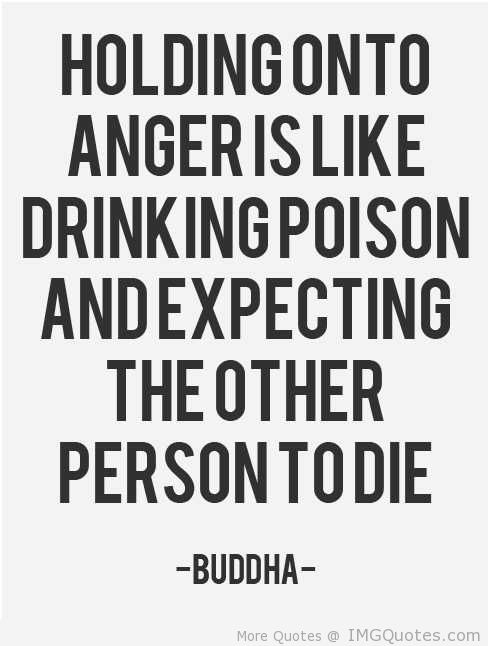
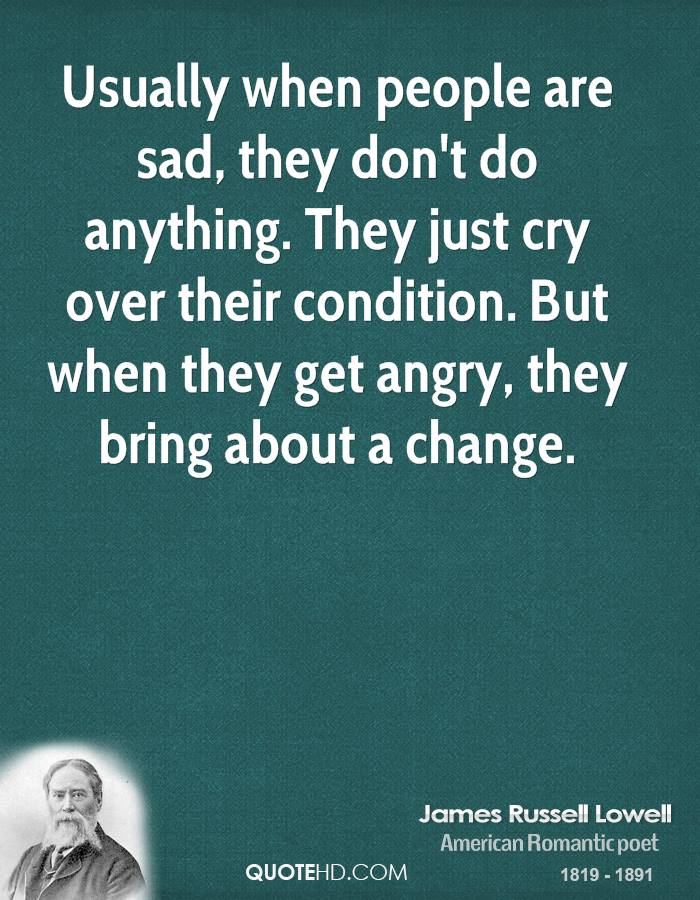
I know. It seems crazy. But that’s because you’re trying to understand a primal and instinctive motivation from a rational place. Initially, anger has a place. It’s a sign that boundaries are being crossed and it serves as a motivator to make changes so that the boundaries are reinstated.

But anger often overstays its welcome. Once the initial threat has been neutralized or left behind, the residual anger has no purpose and even begins to cause harm.
IMG_5921

There are several reasons that people may attach themselves to anger. See which one(s) resonate with you:

It’s all I have left. Sometimes when we have faced great trials, we are left with nothing but whatever residue is carried on our backs. That may be anger. If that is the case, it can be scary releasing the anger because it feels like the only tie to your past and what was lost. Yet it’s a pretty ugly reminder, isn’t it?

I have a right to be angry. Yes, you do. Many of you have every right in the world to be angry. But just because you have the right, doesn’t mean you have to choose to exercise it. Often, this feeling is tied to a belief that by releasing anger, you’re also releasing the person that harmed you from their responsibility. Yet their path is not yours. How do your feelings impact their reality?

Wondering about the role of apologies (or lack thereof)? Read this.

I’d rather be angry than sad or scared. Being sad or scared sucks. But so does being angry. There are times when it may be beneficial to make this trade-off (like when undergoing the early stages of divorce when a little gets you up off the floor and encourages you to make a move). Yet, other times it’s a deal with the devil.

I feel like I need to punish myself.  Anger isn’t always aimed outward. Shame, guilt and rumination are all signs of anger directed at yourself. And you cannot release the anger when you still believe you deserve the punishment. Yet yelling at yourself isn’t the most effective way to create change. Listening is.

Anger keeps me from being or appearing vulnerable. Our society respects anger more than the emotions that are perceived as “weaker.” Anger is often worn a shield, keeping others away and limiting further loss. Yet a life live in anger is eventually a life lived in isolation.

I like the energy of anger.  Anger has a way of making us feel alive as it courses through our body and invigorates our senses (even as it dulls our thoughts). It can be an attractive feeling, especially when compared with the deadening of sadness or the hyperalertness of anxiety. Yet the energy is like the kind from too much Red Bull – it holds for a time and then only makes you feel sick.
IMG_5925

“My anger is directed at the past. How does that hurt me now?”

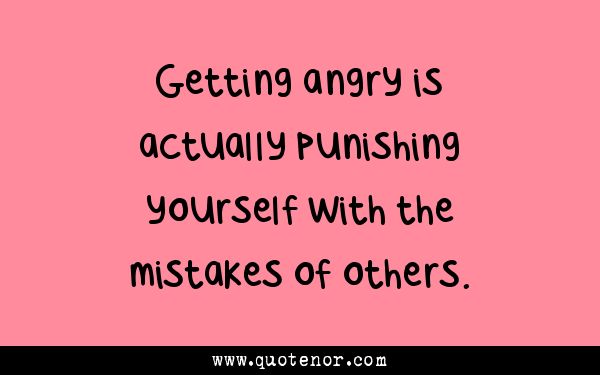
Because anger is cannibalistic – it feeds upon itself. And the more you provide sustenance, the more it grows. It doesn’t matter where you aim it; it has a wide scatter pattern. If you’re entering into a new relationship, releasing any residual anger is your responsibility. Otherwise, it acts a nuclear seed in the new partnership.

IMG_5924

“How do I know when I’m ready to let go of anger?”

You are ready to release your anger when the cost of holding onto it becomes greater than the hesitancy of of releasing it. You are ready to release your anger when you see the cause of your anger as separate from your emotions about it. You are ready to release your anger when enough time has passed for the intensity of the event to begin to fade (remember my upstairs AC unit?). And you are ready to release the anger when you are open to accepting responsibility – not for what happened, but for how it impacts you.
IMG_5923

“What are some of the tools I can use to let go of my anger?”

One of the reasons that anger is difficult to release is that the tools needed are different for every person and every situation. The following are the general four strategies I recommend in the order that I suggest you try them. For much more specific advice, go here.

Movement I like to relate this to training a puppy. Any dog owner knows that before you attempt to teach the young dog any commands, you have to begin with a walk. A LONG walk. A tired puppy is calm and ready to listen.

Anger is the same. If you try to talk yourself down while your ears are whistling with steam, you will fail. Begin by releasing the physical manifestations of the anger by taking a walk. A LONG one.

Repeat as needed.

Humor Laughter has a way of disarming anger before the anger recognizes the threat and tries to fight back. Start by laughing at things unrelated to the cause of your anger. Then, see if you can even laugh at your situation. Gallows humor doesn’t fuel the fire; it helps to extinguish it.

Compassion  The first step in cultivating compassion is to learn how to separate yourself from what happened to you. To not take it personally. It’s hard, I know. Remember I said you know you’re ready when you’re willing to do the work.

Next, apply empathy and strive for understanding while withholding judgement. If this happened in a fictional book and you were asked to describe the motivations of all of the characters, what could you come up with? Entertain the idea that the assumption that has been fueling your rage may not be the correct one. And even if it is, what is the harm in being open to other explanations?

Remember, compassion has to be accompanied by boundaries. You can allow yourself to feel compassion and still refuse to allow someone to hurt you any further.

And here’s a thought for you – if you’re holding onto anger, are you showing compassion for yourself?

Gratitude  Gratitude and anger are mutually exclusive. If you can identify reasons that you’re grateful for your experience, there is no longer a need for anger. This can be a powerful exercise. I like to call it radical gratitude. It is one of the hardest things you’ll ever do. And one of the most rewarding.

IMG_5922

“Just when I think I’ve released all of the anger, it flares back up.”

I sometimes think of anger like those huge buckets at children’s water parks that fill with water until they tip over, releasing their cooling load on the squealing children beneath. Of course, once empty, the bucket returns to its original position to refill.

IMG_5920

When you’ve released your anger, you are still vulnerable to refilling with rage if you return to your starting position without any changes. Think of mastering the tools that work to temper your anger like drilling holes in the giant bucket. The events and situations that cause you to become angry will still spill into your life, but the holes will allow it to simply flow through you.

Although the initial release of anger is by far the most challenging, letting go of anger is an ongoing process. It’s intentional. It requires recognizing when you are angry and, rather than allowing it to set up home, working to release it.

———-

Remember the purpose of anger is to motivate change.

Make the change.

And then release the anger.

As for me, I’m going to head downstairs where it’s cooler:)

Hurt People Hurt People and The Seven Keys of Conscious Compassion

hurt

Some of them are hard to love.

They come into my classroom with a scowl upon their face and a dark shadow behind their eyes. They sit slumped and defiant or spend the entire period looking like they’re ready to fight.

Some of them are hard to love.

They respond to a positive word with a curse, cutting others down with their words even as others try to lift them up. They seek out the weak and bully them into bruised submission.

Some of them are hard to love.

They scrawl their writings on the walls and destroy the belongings of others, leaving a path of destruction in their wake.

Some of them are hard to love.

And those are the ones that need love the most.

Because hurt people hurt people.

And we can (and often must) respond punitively, creating consequences for actions and penalizing behaviors. Parents are called. Detentions and suspensions are meted out. Communicating that the behaviors are not permissible and hoping to make the outcome severe enough to shape the choices made in the future.

But when the behaviors come from a place of hurt (as they so often do), simply communicating, “You shouldn’t do that” followed by a repercussion doesn’t halt the behavior. It doesn’t alter the root cause.

IMG_5895

Because hidden behind the unlovable shell is a wounded child. Scared that the family will be evicted from home after overhearing a heated conversation about the ever-tightening finances. Angry at the parent that walked out and moved on to start a new family, discarding the old. Ashamed that he or she did something to invite the unwanted touches that seem to come with increasing frequency. Anxious about being perceived as dumb as the demands of school become overwhelming.

And all of that hurt gets compressed into a dense and potent projectile, aimed and ready to fire at anybody that gets too close. Choosing an offensive strategy in an attempt to feel in control and to limit further pain.

And in some ways, the strategy is effective. People are kept at a distance and connections (that risk pain upon breaking) are not formed. But of course, the pain remains. Not only within, but shared generously with those around.

Hurt people hurt people.

———-

In the beginning of the divorce, I focused on the bad. The malignancies within his character and the implied cruelty in his actions.

Part of that was intentional. A sort of insurance that I would stay safely out of love with him. But much of it was simply inevitable. The shock and awe so bright that it blinded me to any possible good in him.

I was hurt.

And I was determined to hurt him in kind.

For months, I studiously avoided any memories that painted him in a favorable light. Or, if they came despite the lack of an invite, I immediately voided them by deciding that either the memories were false or the man I remembered loving was simply putting on a play for my benefit.

In my mind, he was all monster and no man.

IMG_5892

And that worked for a time. It certainly severed my love swiftly and completely. It ensured that I remained at a safe distance. And it even allowed me to be grateful that he was no longer in my life.

But then at some point, that view no longer served me.

In fact, it held me back.

Dismissing 16 years of wonderful memories as all false was like excising a benign and harmless tumor from my flesh. I knew what he had become but I didn’t have to believe that he was always that way. I couldn’t believe he was always that way. Because I once knew the boy before he became the man. And the monster.

So, I started to allow in the good memories. The smiles. I allowed some of the brutish paint to wash off of him. And I examined what lay beneath.

A wounded soul.

And I cut that rage, that disgust, that fear with equal parts understanding and compassion.

Portrait
Portrait

Not because I approve of his actions.

Not because I wish to excuse him of any consequences.

And not because I intend to allow him to hurt me any more.

But because I remembered of all of the hard-to-love students that I have had move through my classroom over the last many years. And I recalled how once I learned their back stories and understood the root of their pain, I could find compassion for a student that once provoked only rage.

And I reflected on the power of that compassion.

Sometimes, it was enough to wash the bladed armor off the hard-to-love child. Turning a problem into a blossoming to celebrate.

And yes, often it wasn’t enough. Maybe the wounds were too deep to heal properly or the kindness too short-lived or inexpertly applied.

But then I also remembered that I have never once regretted viewing a hard-to-love child with compassion. That I remain hopeful that some seed has been planted that may one day grow. And that I feel more at peace when I lead with empathy rather than anger.

IMG_5891

And so I used that experience to reconsider my view of my ex husband. To allow that maybe, just maybe, his actions were carried out not in a desire to hurt but because he was trying to escape his own hurt.

And like with my hard-to-love students, I felt my anger dissipate and peace flow in its place.

Hurt people hurt people.

And when you allow yourself to see the hurt, you become able to see the person. Not just the ugly mask.

———-

I often face push back for the view I choose to have of my ex. It’s seen as “too soft” or giving in to what the narcissist wants. And it is true that some people see compassion as a weakness and move to take advantage. And it may very well be true that he is not capable of feeling remorse or compassion himself.

It doesn’t matter.

Compassion doesn’t come with qualifiers for use. It’s not meant to only be applied to those with whom we relate and those who elicit feelings of sympathy.

IMG_5887

Because often the ones who are the hardest to love are the ones who need it the most.

So how do you practice compassion in such a way that you do not enable or come to further harm?

Consciously.

Rather than practice knee-jerk kindness, strive to act with conscious compassion.

The Seven Keys of Conscious Compassion

1) Set and maintain boundaries to protect yourself.

2) Allow or provide appropriate consequences.

3) Avoid expectations of behaviors and responses.

4) Do not take the behaviors personally.

5) Seek to identify the root cause of the behavior.

6) Accept that you cannot control the other person’s responses and actions.

7) Apply conscious compassion to everyone, including (perhaps, especially) yourself.

IMG_5888

Here’s how I strive to practice (and yes, it’s always practice, never perfect) conscious compassion in regards to my ex husband:

1) Set and maintain boundaries to protect yourself.

I immediately directed my paycheck into a new account so that he did not have access. Next, I make a commitment to avoid looking him up online after the divorce papers were completed. I am fortunate that he took care of excising himself from my life, but I would enforce a no-contact rule even if he hadn’t. In this case, this is compassion from a distance.

Compassion and boundaries are not mutually exclusive. You can behave compassionately and still refuse to tolerate certain behaviors. You can practice kindness and still remove somebody from your life. In fact, if you practice blind compassion towards others without the boundaries that you need, you are not behaving compassionately towards yourself.

2) Allow or provide appropriate consequences.

Perhaps I went a little overboard with this one in the beginning. I didn’t have to call the police. But the bigamy was a felony:) I no longer attempt to make him face the consequences, but I also refuse to do anything to shield him from their impact. His cause. His effect. Or, as Rush Limbaugh said, “Compassion is no substitute for justice.”

3) Avoid expectations of behaviors and responses.

This is a difficult lesson. Before I returned his car to him (crazy and long story here – read the book), I combed through the items left and I took much of it as evidence (like the wedding vows in his own handwriting to his other wife!). I found two sentimental items in the glove box – a pocket watch that had belonged to his deceased grandfather and a cassette recording of his childhood best friend’s father, a folk musician. I left them on the driver’s seat.

Stupidly, I expected to receive some indication of thanks. Or at least a slackening in the on-going assault against me in the courts.

There was nothing.

But even then, I was still glad that I gave him back those items. And from that experience on, I never again expected anything in return for any kindness. Except the very real fact that just doing it made me feel better.

IMG_5890

4) Do not take the behaviors personally.

From The Four Agreements in Divorce:

I hadn’t read the book yet, but this little acceptance changed my life. When I embraced this message, I began to forgive and to release the anger. Before that point, I saw him as deliberately working to destroy me. On some level, I pictured him plotting in his basement office, stroking the soul patch on his chin,

“Let’s see… I’ve already maxed out this card. Hmmm…I know! I’ll use the one in her name so that she has to deal with it later. Okay, now that the financial ruin has been planned, what else can I do? Well, obviously, an affair would be upsetting. Now, where can I find a willing woman? Oh, and at some point, I’ll have to leave her – yeah, that will really destroy her! What would be the worst? In person? Phone call? Letter? Sticky note? Skywriting? I know! I’ll do it with a text message. She’ll never see that coming!”

Pretty crazy, huh? I was taking it personally. In reality, he was not thinking of my well-being any more than I considered his during the divorce. Once I realized that his decisions and actions were about him, not me, I could stop reacting defensively and start seeing more rationally. He was hurting too.

It is difficult in a divorce to not take things personally. After all, you two were a partnership, a team, and now your partner has been recast as your adversary. It’s a wake-up call to realize how individual we really are. You were married to each other, yet you each experienced the marriage through your own experiences and perceptions. We can have empathy for another yet we have to take responsibility for ourselves.

Our egos take a beating in divorce. They perceive any attack as directed and they try to fight back. Put down the gloves and accept that the ego is simply protesting, much like a child throwing a tantrum. Let it cry. Let it scream. And then wipe its tears.

5. Seek to identify the root cause of the behavior.

This is often tricky because the person who has hurt you is often unable or unwilling to dig that deep into themselves. So you have to be a detective and assemble the clues. In my ex’s case, his parents were both alcoholics and I have a suspicion that there may have been abuse by another adult in his life. I had the benefit of being able to reflect on interactions I had witnessed between the boy and his parents and the childhood home videos that I viewed with his teenage commentary in my ear. I have my guesses as to the root causes. They may not be accurate, but that’s not the important part. Just recognizing the possibility allowed my anger to soften.

6) Accept that you cannot control the other person’s responses and actions.

His choices were/are his choices. His responsibility. I refuse to engage in “what if” thinking, exploring potential differing outcomes based upon what I did or didn’t do. My locus of control only extends to myself. So that’s what I chose to focus on.

7) Apply conscious compassion to everyone, including (perhaps, especially) yourself.

Because inside all of us has been a wounded child. And often that child just wants to know that he or she is seen and the pain is acknowledged.

Hurt people hurt people. And sometimes we turn that around and hurt ourselves. To thine own self be kind.

IMG_5893

———-

Conscious compassion keeps you safe.

But it also gives you freedom.

A way out of the cycle of hurt people hurting people.

Escape Valves

I couldn’t help it. Giggles burst from my lips like foam spilling out of an over-filled latte.

I had been taking my Yin yoga class seriously up until the point where the instructor, usually calm and serious, mentioned the human nature of moving away from the stretch. I inwardly groaned at the first escape from the discomfort she mentioned – leaning the body over to the right to release some of the tension on the psoas – as I shifted my own weight back to the left to fully face the stretch. But then I had to laugh as she continued to mention two other common ways that practitioners lessen the intensity.

And I was doing both of them.

She described this human tendency to avoid discomfort as seeking an escape valve. A way to reduce the pressure and lower the harshness of an experience.

And it really is universal, isn’t it. We try to avoid pain or even unease on the yoga mat. In relationships.

And even in our own minds.

It makes sense. At a basic level, we are programmed to avoid pain in order to protect the body and stay away from dangerous objects and situations. Pain is an important sensation. It tells us to remove our hand from the hot stove or to stay off a broken ankle so as not to cause further damage. Relational pain sometimes informs us that we are in an unhealthy or even dangerous environment and provides the encouragement to leave. Internal pain flares when we neglect our own innate sense of right and wrong and serves as a wake-up call.

Those pains are intense. And the message they send is a critical one – stop what you’re doing now or you will only make it worse.

But often we confuse pain with discomfort. It makes sense to seek to avoid pain.

Yet it frequently it makes sense to embrace discomfort.

On my yoga mat this morning, my breath hitched as I leaned into the stress, shutting off the escape valves. If asked, I would have replied in that moment that I was in pain.

But I really wasn’t. In fact, as I breathed into the psoas and relaxed the surrounding muscles, the position lost its intensity and I was even interested in exploring the pose further. By facing the discomfort, I was able to reduce the discomfort.

Without the instructor’s prompting, I would never have faced the initial discomfort. Unconsciously avoiding even the merest suggestion of pain. And as a result, I would have unwittingly nurtured that area of tightness, allowing it to grow unrestrained.

It doesn’t feel good to feel uncomfortable. But that’s often exactly where we need to be.

———————-

I see the use of escape valves all the time in people facing the end of a relationship –

They decide that they should be over it by now and push it out of their conscious mind. Yet no matter how much you push it down, it always resurfaces until the lessons are released.

They try not to think about their ex or the end because doing so creates pain. Yet trying to avoid the thoughts only makes the thoughts grow more powerful. If they are addressed as they arise, they fail to grow.

They look to distractions to escape the inevitable pain of the end of a relationship. Yet the distractions only work for a time and the pain is patient.

They downplay the impact of the end on their well-being, pretending that it really doesn’t bother them. Only their acting out in other ways belies their assertion.

——————–

The pain at the end of a relationship is more the discomfort from the yoga mat than the agony of a hand on a hot stove. If you face it and work with it, it will begin to release.

Opening an escape valve feels good in the moment. And sometimes, when the pressure is too great to bear, it may be needed. But if you find that you constantly need escape valves, maybe it makes more sense to repair the basic system.

(Note: There is a very important distinction between ruminating and processing. Ruminating would be like taking the yoga pose just to the edge of the pain and then tensing up, holding the breath and staying in pain. Not fun and also not going to get you anywhere. Processing is more like moving through the pain: understanding, exploring, softening, opening and finally releasing.)

18 Steps to Financial Independence During and After Divorce

financial independence

It is not uncommon for divorce to initiate a financial crisis. The process itself is expensive. There are real and often high costs associated with splitting a life and creating two households. Health expenses may increase along with your (and possibly your children’s) stress levels. And that’s all assuming that your ex didn’t play dirty with money (as mine most certainly did).

Now that I’m on the other side of my own financial crisis initiated by financial infidelity and exacerbated by the legal process, I thought I’d share with you the specific steps and strategies that worked for me. Some may be pretty common sense, but others may be new to you. Please keep in mind that I am not a legal or financial expert and that the laws vary from state to state. Use these as a starting point as you take the steps back to your own financial independence.

Play By the Rules

This is not always easy to do, especially if your ex is determined to ignore or break every law out there. But it’s important. If you get caught violating the financial guidelines that are set by your state during separation and legal proceedings, you will only serve to compound your problems.

That being said, take the time to learn what is not allowed so that you can manipulate what is permissible. For example, I was not allowed to close any accounts or remove his name from accounts (Including as beneficiary; I was so afraid I would die during the process and he would end up with my retirement and life insurance. Ugh.) However, I was allowed to open up new accounts as long as I did not attempt to hide them (the funds were still considered “marital property,” he just didn’t have direct access). So I immediately opened up new checking and savings accounts and made sure my directly deposited paycheck went directly to me.

Accept Help (If It’s Available)

This is not a time for pride. If you are lucky enough to have friends or family that are able and offer to help, accept it. If you qualify for reduced fee attorney support, take it. If you can locate a counselor that operates on a sliding scale, be honest about your ability to pay. And when a friend offers to take you to lunch or out for drinks, just say “thank you” and worry about evening the score later.

Consider bartering for expenses such as babysitting or car repair. Reach out to your network and explore the opportunities. Be open, honest and creative. You may be surprised at where you’ll find help.

Create An Evolving Budget

Obviously, your budget is now different from when you were living as a married couple. And it will continue to change as the divorce process proceeds. Start your new budget by identifying your more permanent requirements: housing, food, childcare, etc. Then, add in your temporary necessities: attorney and court fees, mediation expenses, counseling, etc. Next, consider areas that may not be a requirement, but that carry great value for you, such as monies set aside to redecorate your space to make it feel safe and inviting.

7 Areas to Downsize During Divorce

Revisit the budget frequently in the beginning (at least every couple months). As some of the temporary expenses come and go, it’s important to keep an eye on the big picture and a handle on where the money is going.

Prioritize Free and Cheap Self-Care

It’s easy for anyone, but especially parents, to neglect their health and well-being during divorce. Self-care, particularly during a stressful transition, is critical. You can’t take care of your children if you don’t take care of yourself.

Look up yoga and exercise videos on YouTube. Explore your local parks. Get to know the vendors at the farmer’s market and learn about specials. Find a free meditation class in your city. Check out music and movies for free through your library and cancel the Netflix subscription. Check out Meetup.com for free and inexpensive outings and activities.

Plan For Indulgences

Too much of a sacrificial mindset often backfires (learn how). To counteract that, carefully plan for meaningful indulgences. When money is limited, make sure you invest in the ones that provide the most value for you in that moment. And be aware that these may change over time.

In the first few months, I treated myself to a massage every two months. The non-sexual touch was healing and calming for my frazzled body and mind. Later, I invested in an annual pass for the local botanical gardens, a temporary replacement for my own plants that were left behind in my old life. I always made sure to have a small, regular smile on the horizon to remind me that the situation was temporary.

Adjust Accounts As Needed

Once the divorce is final, you will probably receive the green light to make changes to any accounts that remain in your possession. Revisit beneficiary designations on insurance and retirement accounts. And then verify that requested changes are made (It took the company that holds my smaller retirement account 2 years to finally process the removal of my ex!). Take your decree to the tag office to have your car title transferred into your name. Divorce is a qualifying event for health insurance and decide if you need to remove your ex from your policy. Look at your auto insurance policy and make any needed adjustments.

If your name is changing, make sure to update it on critical documents – driver’s license, passport, etc. Be aware that a discrepancy in name can be a hassle (I’m looking at you, PayPal) and it’s helpful to change it all at once.

10 Struggles Anyone Who Has Been Divorced Will Understand

Create Income

Whether you have always maintained a career or you were a stay-at-home parent, after the legal process is finished is a great time to explore added sources of income. Start by looking to see if there are items from your married life that you wish to sell. There’s nothing like the satisfaction of unloading a cheating ex’s jewelry and walking away with cash:)

Consider if you have any skills or knowledge that can create a passive income stream for you. Don’t worry if it’s just a trickle at first. Every little bit helps you get back on your feet.

Strive For Independence

Perhaps you were awarded alimony or child support from your ex. Or, he or she is expected to pay a certain amount towards attorney fees or to help you get started on your own. And maybe you’ll see all of those payments.

But maybe you won’t.

Child support is the one area where the law is really on your side. But even then, you cannot depend upon the money. Especially when the courts end up locking up a parent for non-payment, thus giving them no way to earn the money in arrears. And outside of child support (and in some states, alimony), you are often on your own dime to try to force payments.

So strive to find financial footing that is separate from your ex. It may not always be possible, but it’s a good goal to have.

Counteract Anger and Fear

Money is never just about money. You may find your anger flare as you face bills and hardships that feel unfair and unplanned for. You may face sleepless nights as you worry about dwindling checking accounts and ever-growing debts.

Temper your anger with gratitude. I kept a gratitude list by my computer and I added one element to it every time I had to pay a bill resulting from his debt. It was a good reminder that the financial infidelity may have been awful, but that my present life was not.

Tame your fears with mindfulness. We often worry ourselves into a rut, one “worst thing possible” following the next. If your money fears are taking over, check out my coaching course on how to thrive after divorce; I give many strategies for working with fear and anxiety. And remember, self-care is critical!

Know Your Taxes

Even if you’re used to doing your own taxes, you may want to call in the professionals for a couple years until everything is straightened out. The rules about who gets what deductions and who claims what income can get muddled. And that’s on top of a system that is already confusing.

If you were the victim of financial infidelity (AKA marital fraud) or otherwise were unaware of what had been filed and monies are owed, you may qualify for Innocent Spouse Relief. You can read more about the program and its requirements here.

Understand Your Student Loan Options

If you currently have student loan debt and you are having trouble paying your bills, look into your options. I was pleasantly surprised when I contacted my provider. They didn’t make me feel ashamed for my situation (unlike all of the other accounts I had to deal with) and they gave me several options to choose from.

Student loan debt isn’t something to mess with; the consequences for non-payment can be severe. For example, in Georgia, teachers face losing their certification if they are in default on their student loans. So know your options and make sure you stay current with your choice.

Face Your Credit Score

Divorce can do a number on your credit. As in, make the number much, much smaller seemingly overnight.

I have to admit, this is one I didn’t do so well on myself for a few years. In the very beginning, I simply couldn’t stomach it at all. I had my dad scan the reports and, keeping the actual numbers from me, verify what accounts were reported. And then I swiftly inserted my head in the sand for the next few years as I worked to improve the score. Here’s what happened when I finally looked at it.

I strongly suggest using the app Credit Karma to keep up with your credit score. It’s free and easy. And, in those days when simply peeking at the number could cause my blood pressure to rise, I found its friendly layout and welcoming colors calming.

Actively Build Your Credit

So now you know where you stand. That’s a good start.

Now, work to improve your standing. The basic credit-building advice follows here – Pay your bills on time. When you can, open a new credit card if (and this is the critical part!) you can make sure you pay it off every month. Also watch the balance even if you do pay it off. If it’s too high at the time it’s reported, it will lower your rating. Make sure that accounts are reported correctly and marked closed as you fulfill your obligations. And watch with bated breath for the magic 7-year mark when old negative marks are wiped away.

Consider Bankruptcy

I hated even letting that word into my vocabulary, but once I met with the bankruptcy attorney and discussed the options and consequences, I felt better. I ended up electing not to go this route after deciding that it was not best for me. But I was glad that I had at least considered it and explored the options.

If your debts are overwhelming you, take the time to learn the bankruptcy laws in your state. Gather the knowledge, consider your choices and then do what’s best for you.

Reevaluate Your Retirement

Many couples piece together their retirement in a yin and yang fashion, some accounts bringing more stability and others more risky, but with a higher potential yield. In divorce, you are definitely left with less retirement monies and you may also be left with an unbalanced plan.

Once the initial emotional and financial dust settles, examine your current retirement and make changes as needed. Obviously, the closer you are to retirement, the more important this is. Especially if it extends your plans for full-time employment (If you’re in this position, I am so sorry. It’s one of the hardest parts of “grey divorce.”).

Keep Your Divorce Decree Handy

No, really. You’re going to need it. Whether it’s for changing your name on the account, eliminating your ex’s name from a title or providing some ammunition when you try to secure a loan, that expensive packet of paper is indispensable. Also, be forewarned that many organizations require the original document with the court clerk’s seal. I suggest purchasing an extra copy while you’re at the courthouse just in case your original doesn’t make it back in the mail as promised (I had to send my original in to have my passport changed).

Make (and Celebrate Reaching) Small Goals

Rebuilding your credit and securing your financial independence takes time. It’s a big (and daunting) goal. So break it into smaller goals. Even as small as paying your phone bill on time each month.

And then celebrate those small successes. It’s amazing how much ground baby steps can cover as long as you keep moving!

10 Ways Divorce Makes You Better Than Before

Be Patient

It is going to take time. Don’t let it take over your life or your happiness in the meantime.

After all, in the end, it’s just money.

And your life (and the lives of your children), is priceless.

Progress

I am now exactly one week away from the start of the school year. Last year at this point, I wasn’t doing very well. In fact, I was throwing a bit of a temper tantrum, singing the back to school blues.

And, I’m happy to report that I’m handling this much better this year. No crying. No pouting. And (dare I admit it?) even a little excitement to begin a new year.

Although, I am instituting a ban on all school-related work or thoughts for the next 7 days:)

Here’s to progress! Big and small:)