Awakening From Hibernation

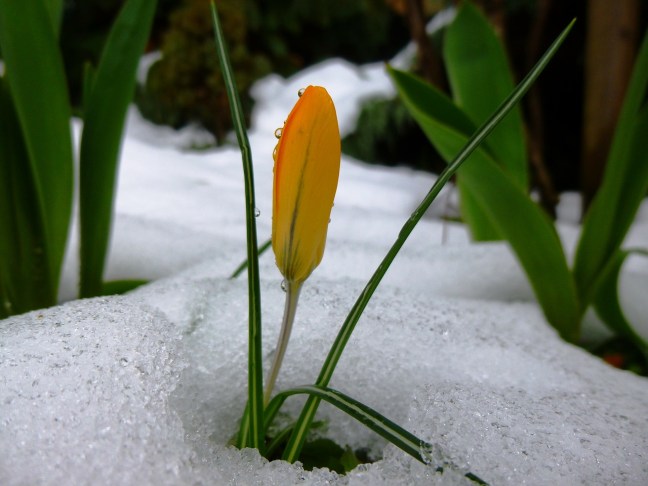
In some areas, it’s not quite spring but we are well over winter. The trees and flowers are just beginning to stir. The first signs of the cherry blossoms have appeared. The daffodils are letting their yellow undercoats peek out at the tepid sun. Tree branches are rounded with the soft buds of the new leaves. The stirrings are not limited to the plants. Joggers are beginning to fill the trails, especially on those days between cold and rain fronts. The squirrels are out in force, digging up the acorns they buried months ago. The birds have lifted their self-imposed ban on song and their chirps and warbles fill the mornings once again.

narcissus-6368_1280

It’s natural to hibernate when the world outside becomes too harsh to bear. It’s instinctive to curl up and tuck in, settling into a protective stasis. We do it annually to some extent as we follow the natural rhythms of shorter days and colder nights. We tend to narrow our worlds in the winter, paring back and slowing down. It is a time of restoration.

That contraction is countered by the expansion that occurs each spring, as we expand our reach along with the increasing hours in a day. It’s an instinctive cycle, an inhalation and exhalation on a broad scale. We are not unlike the flowers in our balance of growth and rest.

fern-340854_1280

And, just like the blossoms, we can have our rhythm disturbed. A sudden late freeze will send the plants into shock, causing them to die back and halt their growth until they feel like it’s safe to peek their petals out again. A sudden shock can just as easily cause us to slow and even stop. Parts of us can die, turning withered and black. It can lead to a period of hibernation as the body and mind turn inward. The body slows, the appetite decreases and the brain becomes sluggish.

It’s a natural response to a sudden freeze where the world becomes inhospitable and fierce. Don’t try to resist the natural cycles – you’ll lose. Be with it; ride it out. Curl up and hide but don’t forget to look outside for the first signs of spring and allow yourself to spread and grow as the sun’s first warmth touches you again.

The flowers never let the risk of a late freeze keep them from showing their beauty. Why should you?

yellow-flower-191765_1280

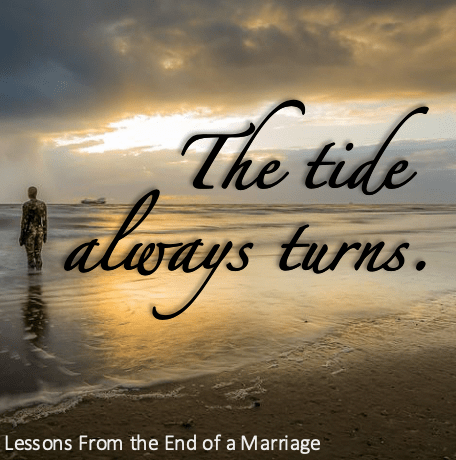
The Tide Always Turns

When you’re standing on the shores of your life during an outgoing tide, all you see is your existence pulling away from you. The waters lap at your feet before receding, spiriting away your security and optimism beneath the foaming waves. The space that was once occupied by the lifeblood of the rich waters is now dry and barren-looking. Foreign and unwelcoming.

Yet the wonderful thing about tides is they always turn. Carrying life and promise on their crashing waves. As the warm water caresses your feet again and bubbles into the once-empty caverns. The arid sands are now but a memory deep beneath the flood.

If you are patient and aware,

The tide always turns.

Understanding and Addressing Loneliness After Divorce

It has been postulated that loneliness is one of the primary epidemics of our age. Loneliness is much more complex then it may seem; the single person living alone may not be lonely while the married person constantly surrounded with others might be. Teenagers today, never far from their countless social media feeds, report feeling lonelier than generations past. Loneliness comes not from the quantity of our social connections, but from the quality.

Loneliness is so much more than the ache of being isolated. It is associated with a greater risk of depression and an increased chance of death though all means. We are a social species; like Maslow’s young monkeys proved, we have evolved to form relationships. And we only thrive when those relationships thrive.

Understanding Loneliness After Divorce

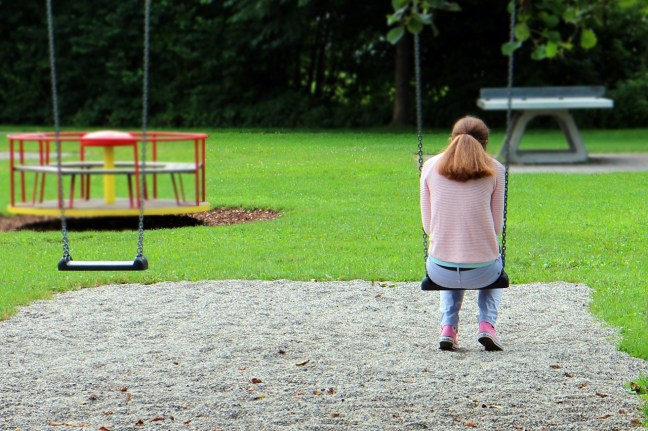
Your spouse probably knew you better than anybody. Even if the final years of the marriage were filled with conflict, just the fact that he or she knew exactly how to push those buttons is a sign that you were known. And then at some point, either before or after the split is made official, you became persona non grata in his or her eyes. And that’s the door sliding shut on your solitary confinement.

If you do not have children or your children spend time visiting their other parent, you are facing the haunting echoes of an empty home. The barren space mirroring the chasm in your heart. It’s a strange feeling, being alone, when you’re used to another person being there. Even if your spouse traveled frequently leaving you home, you may find that the finality to this emptiness gives it more weight.

The end of a marriage is the end of so much more. Like the ripples from a stone thrust rudely into the waters, the impact of the divorce carries far and wide. You may lose friends. And many of the friendships will certainly change. It’s a cruel joke – when you need connections the most, they fall apart.

Some of loneliness after divorce is inevitable. There is a void that takes time to fill. There are changes to adapt to and a curve to learn.

But you don’t have to sit idly by. You may feel as though you’re in solitary confinement, but the only locks on that door are the ones you secured yourself.

Addressing Loneliness After Divorce

The first step in combating loneliness is understanding your social and relationship needs. Are you an introvert that thrives on alone time and only needs a few close connections? Or, are you happier when you are surrounded by people? It’s an important distinction. The introvert can feel lonely and stressed if in the center of the action, whereas an extrovert can feel painfully isolated even in the company of a single close companion. Know thyself. And create a world that matches your needs.

So many rebound relationships are entered into in an attempt to patch that intimacy void left by a departing spouse. It never works, at least at first. It takes time to form connection; a new relationship, no matter how exciting, does not yet have that vulnerability and intimacy of an established one. Instead of looking to new partners to fill that gap, turn to existing relationships. This is a great time to nurture that bond with a close family member or your best friend. Those relationships tend to take a back seat when you’re married. Invite them to sit shotgun.

In divorce, you lose people. So go find more. Invite a coworker to lunch. Accept the invitation to a party. Join Meetup.com and sign up for a group that interests you. Get to know your local grocery clerks; a smile and some brief chatter from a friendly face can change your entire day.

Cultivate your passions. What did you used to enjoy doing as a child or young adult that you no longer do? This is your opportunity. Pick up that paintbrush again. Brush the dust off that guitar. Sign up for the soccer league. When you’re engaged in what you love, you don’t feel lonely. Even if you’re the only one in the room.

One of the most devastating elements of loneliness is the feeling that you don’t matter. That you could exit the world today and no one would even notice. So make an impact. Join a volunteer organization. Become a Big Brother or Big Sister. Spend time with the elderly at a retirement home and gain wisdom from their stories. Or, register to rock newborns in the nursery and gain hope from their innocent eyes.

Ultimately, loneliness is a choice. And inaction is choosing to remain isolated.

So if you’re feeling lonely, do something.

Reach out.

Nurture connections.

And get busy.

Divorce can make you lonely.

But you don’t have to stay there.

Run the Mile You’re In

run the mile you're in

One of the best pieces of advice I’ve ever received came from an experienced runner coaching me on my first (and only!) marathon:

“Run the mile you’re in,” she said.

“At each point in the course, you will be constantly aware of where you are and how far you still have to go. It can be daunting, especially in those first few miles when those early doubts start to creep in. So when you’re in the 5th mile, be in the 5th mile. Worrying about or impatiently wanting mile 25 won’t make the current one any easier.”

We often want to be where we are not. Rather than find peace in our present, we yearn for some idealized future. We allow fears of what is coming to cripple us with what is and we fail to look around because we are so busy looking ahead.

Life has no finish line.

Live the moment you’re in.


The Birchbox Effect

I did something a bit out of character yesterday.

I sought out a website, entered my credit card information and hit “subscribe” for something that is far from a necessity.

At least not in the strictest sense.

I certainly do not need a monthly box of beauty samples.

But things are often more than skin deep.

And that is the case here.

I somehow doubt that I am a typical customer for Birchbox. I never feel more insecure than when I enter a cosmetic store or hair salon. I have to remind myself to throw away eye makeup before it goes bad and the four bottles of nail polish I’ve owned for the last several years probably have gone bad. My hair dryer is rarely used and my shampoo is of the knock-off variety. I can get ready in the same amount of time as my husband. Or even less.

In other words, I rarely put time, money or energy into skin care, hair or makeup.

Yet, in those rare moments where I do spend a little extra on typically feminine pursuits, I feel good. I get a little thrill out of trying a new product or a new color. I find that playing with makeup can make me feel a little playful (as well as a little anxious!). Additionally, I enjoy surprises and trying something new.

I’ve also been neglecting myself a bit lately. I’ve been doing the necessities, but falling into the trap of everything being another item on the to-do list.

So the monthly Birchbox is a gift to myself. A small smile to look forward to every month. A reminder to stop and smell the rose-scented lotion. A tap on the shoulder telling me to embrace my femininity and to take the time away from the lists to take care of myself. And practice approaching that which makes me anxious with a sense of curiosity rather than unease.

I’m dubbing it the “Birchbox Effect,” a recurring reminder to appreciate the small gifts in life.

What’s your Birchbox Effect?